
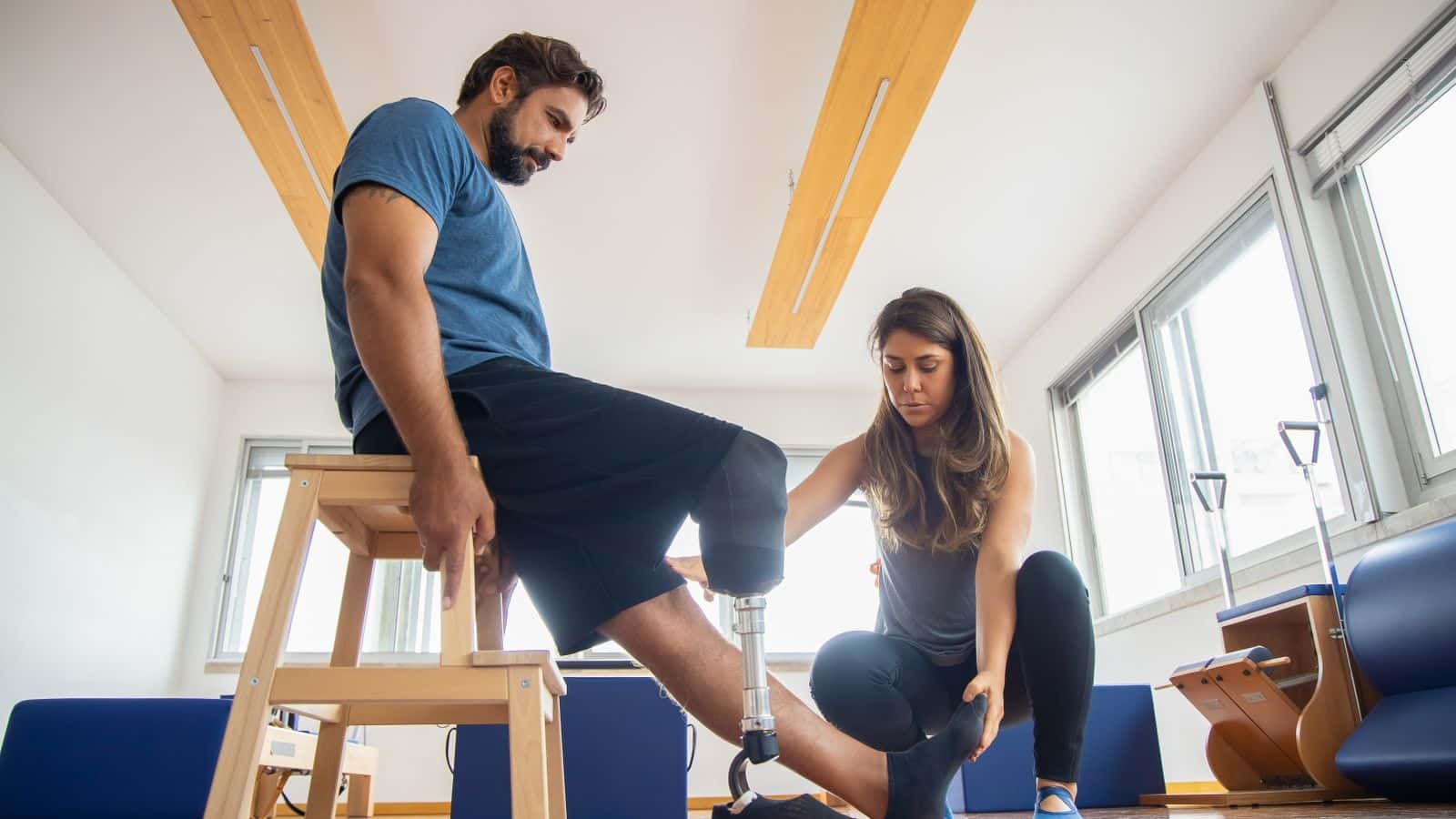
Conditions · Coral Springs & Parkland
Hip & SI joint pain relief in Coral Springs
One-sided low back pain that lives just above the buttock, a hip that catches getting out of the car, a pelvis that feels crooked — the sacroiliac joint is where the spine meets the legs, and it is the most misdiagnosed joint in the back. We find it, correct it, and fix the gait that keeps rotating it.
Quick answer
Lasting hip and SI joint pain relief means correcting the pelvic rotation and gait pattern that keep the sacroiliac joint irritated, not just treating the sore spot. Most SI joint pain comes from a rotated or uneven pelvis, a joint that is either locked or moving too much, and hip muscles that have stopped stabilizing it. All three respond well to conservative care.
What’s actually causing your hip and SI joint pain
Real hip and SI joint pain relief starts with understanding the joint. The sacroiliac (SI) joints connect the sacrum — the triangular bone at the base of the spine — to the two large pelvic bones. They move only a few millimeters, but every step, stand and stair sends force through them. Strong ligaments and the gluteal and deep core muscles hold them in balance.
In our Coral Springs clinic, three patterns account for most of the SI and hip pain we see. Sacroiliac dysfunction: a joint that is either locked (hypomobile) and sharp, or loose (hypermobile) and aching, often after a fall, a pregnancy or years of one-sided loading. Pelvic rotation: one side of the pelvis tipped forward or back, which makes one leg function shorter, overloads one SI joint and tilts the lumbar spine above it. And gait and hip mechanics: a foot that over-pronates or a hip that is weak on one side, so every step rotates the pelvis a little further.
The hip joint itself — the ball-and-socket — can also be the source, and the two are frequently confused. True hip joint pain is usually felt in the groin or the front of the thigh; SI pain is felt off-center in the low back and buttock. Telling them apart is the first job of the exam.

Is it the SI joint, the hip, or the lower back? How to tell
The location and the triggers say a lot before any scan does. Here is how the three most common sources tend to show up:
- Sacroiliac joint: one-sided pain over the dimple just above the buttock, worse standing up from a chair, rolling over in bed, climbing stairs or standing on one leg; may spread into the buttock or the back of the thigh but rarely below the knee.
- Hip joint: pain in the groin or front of the thigh, worse with deep squats, crossing the legs or getting in and out of the car; often stiff first thing in the morning.
- Lumbar disc or facet: pain centered in the low back, worse sitting or bending (disc) or arching backward (facet); with numbness or tingling below the knee if a nerve is involved. See our lower back pain guide.
- Piriformis / gluteal muscle: a deep buttock ache with sitting that can mimic sciatica; the muscle is usually guarding an irritated SI joint underneath.
- Pregnancy-related pelvic pain: SI and pubic pain from the second trimester on as hormones loosen the pelvic ligaments and the load shifts forward.
Where the pain goes matters most. SI pain stays above the knee; nerve pain from a lumbar disc often runs below it. The orthopedic tests on your first visit — compression, distraction and thigh-thrust tests for the SI joint, and a nerve-tension screen for the lumbar spine — are designed to make exactly this distinction.
Good to know
Sacroiliac dysfunction is one of the most common causes of low back pain that does not show up on an MRI. The joint is often overlooked because imaging looks at discs and nerves, while the SI joint is a problem of motion and balance rather than structure.
How we approach hip and SI joint pain relief at TSAWC
Our approach to hip and SI joint pain relief follows the body’s own healing sequence — the 4R Method: Repair, Rebuild, Regenerate, Refine. The order matters. An SI adjustment on a pelvis that is still being rotated by every step lasts a day; correct the joint, then the gait and the hip strength, and it lasts.
R1 · Repair — level the pelvis, calm the joint
The Repair phase interrupts the pain at its source. Specific pelvic and sacroiliac adjustments restore motion to a locked joint or re-seat a rotated pelvis; cupping and massage therapy release the gluteal and piriformis muscles guarding it; cold laser calms the inflamed ligaments. Typical commitment is 3–5 visits a week for 4–8 weeks, and most patients notice the stand-up-from-a-chair pain easing within the first two to three weeks.
R2 · Rebuild — fix the gait and the hip
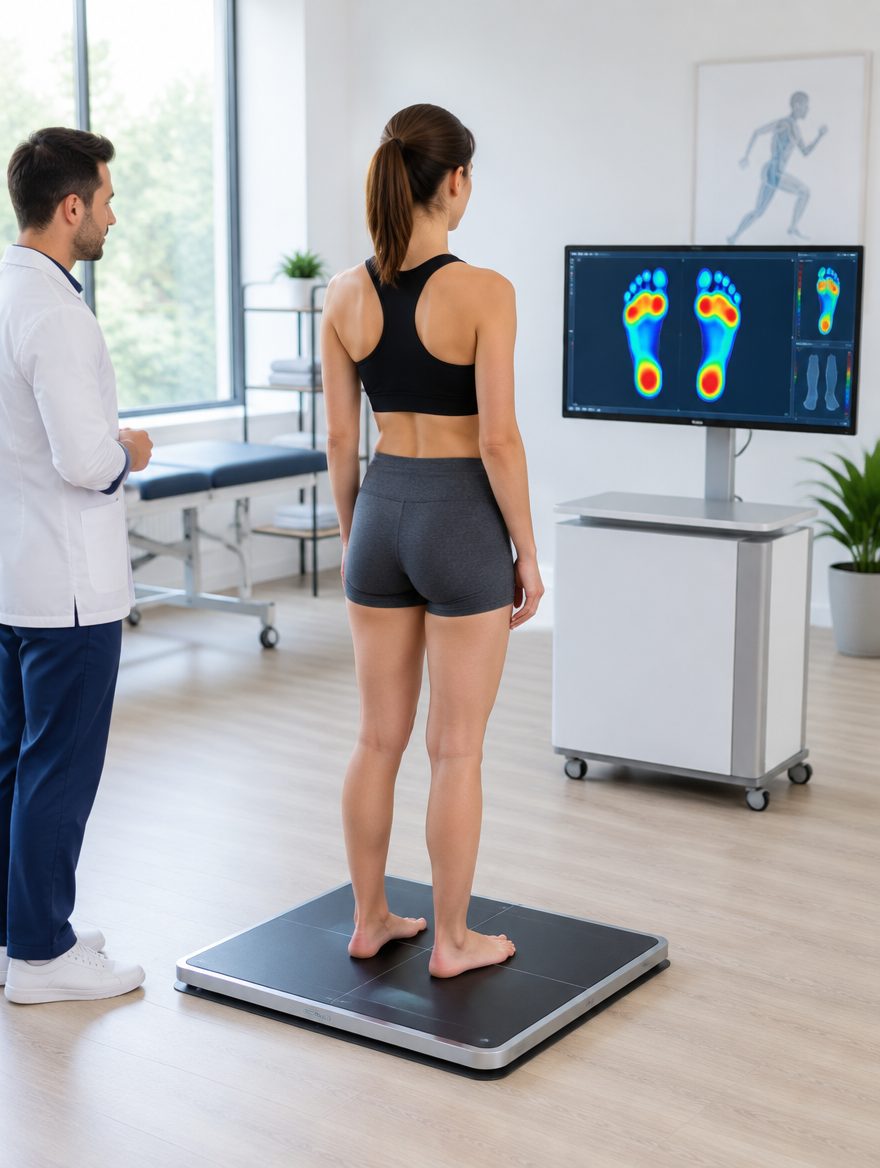
Once the joint is quiet, we correct what was rotating it. A GaitScan digital foot-pressure analysis shows whether one foot is pronating or one leg is loading harder, and whether custom orthotics will keep the pelvis level between visits. Sports and hip rehab retrains the gluteus medius and deep core — the muscles that stabilize the SI joint on every step. Rebuild usually runs 2–3 visits a week for 8–16 weeks.
R3 and R4 · Regenerate and Refine
With the pelvis level and the hips strong, the Regenerate phase (about 2 visits a week for two months or more) supports the cellular side of recovery — red light and PEMF for the ligaments, which heal slowly. Refine is the long game: a brief structural tune-up every month or two so the correction holds through golf season, pickleball season and the school pickup line.
Pelvic & SI adjustments
Restore motion to a locked sacroiliac joint and re-seat a rotated pelvis so the spine above it can level out.
Learn moreGaitScan analysis
Digital foot-pressure mapping that shows the gait imbalance rotating your pelvis — and whether orthotics will fix it.
Learn moreSports & hip rehab
Retrain the glute and core stabilizers that keep the SI joint in balance when you walk, run and lift.
Learn morePrenatal chiropractic care
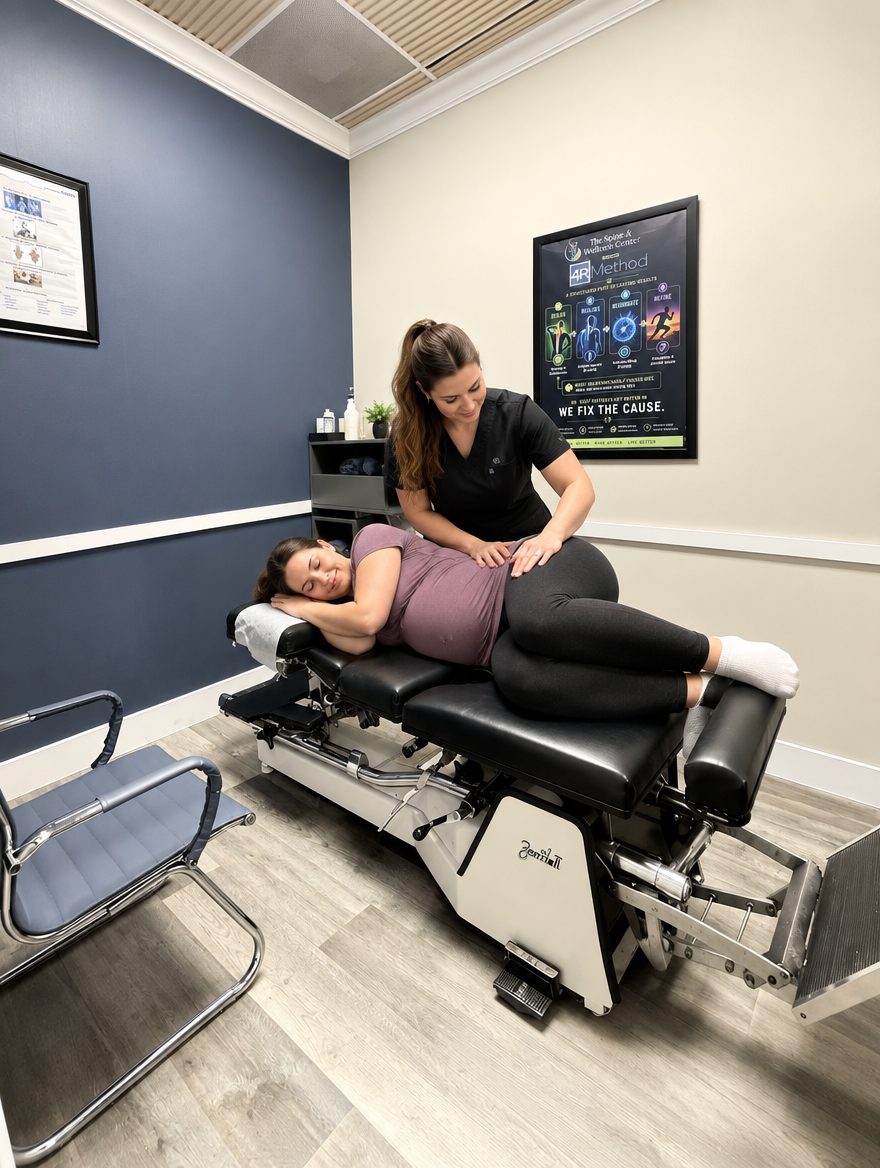
Gentle, pregnancy-safe pelvic care for SI and pubic pain as the body changes.
Learn more5 proven treatments for hip and SI joint pain (and when each one fits)
Not every treatment fits every pelvis. These are the five tools we reach for most, matched to the pattern each works best on:
- Pelvic and sacroiliac adjustments. Best for the locked, sharp SI joint and the rotated pelvis. Specific, gentle adjustments — drop-table or blocking techniques for patients who prefer a low-force approach — restore motion and level the pelvis.
- GaitScan and custom orthotics. Best for recurring SI pain and ‘my pelvis keeps going out.’ If the foot is rotating the pelvis with every step, correcting the foot is what keeps the correction.
- Sports and hip rehab. Best for the loose, aching SI joint and for athletes. Strengthening the gluteus medius, deep hip rotators and core is the only durable fix for a hypermobile joint.
- Cupping and massage therapy. Best for the piriformis and gluteal guarding that mimics sciatica and keeps the SI joint from settling.
- Prenatal chiropractic care. Best for pregnancy-related SI and pelvic pain. Gentle, pregnancy-safe pelvic adjustments with pillows that accommodate the belly, and a belt when indicated.
What is not on the list: long-term pain medication, repeated injections or surgical fusion as a first step. Spine-health notes that sacroiliac joint dysfunction is typically treated with non-surgical care — manual manipulation, physical therapy and activity modification — with injections and fusion reserved for pain that does not respond (Spine-health, Sacroiliac Joint Dysfunction). Our job is to be the care that works first.
What to expect at your first two visits
Most clinics do a five-minute exam, adjust, and tell you to come back. We measure before we treat, so your plan is built on your actual structure rather than a guess.
Visit one — we measure (and usually begin care)
- A real conversation. Where it hurts, what sets it off, any falls, pregnancies or one-sided sports, and what you want to get back to.
- A hands-on structural exam. Posture and pelvic-level analysis, leg-length check, hip and lumbar range of motion, SI provocation tests (compression, distraction, thigh thrust), hip joint tests, and a nerve-tension and neurological screen to rule the lumbar spine in or out.
- Surface scanning: sEMG + thermal. A painless scan along the spine. Surface EMG shows where the muscles beside each vertebra are guarding — SI patterns typically show one-sided activity at the lumbosacral junction; thermal scanning maps nerve irritation.
- Digital X-rays, when indicated. A standing pelvic view shows pelvic tilt, rotation and hip joint spacing, and we review any imaging you already have.
Visit two — your findings and your plan
Everything is explained in plain English with your scans and images in front of you, mapped to the four phases of the 4R Method: what we found, what we recommend, and how long it should take. Your full plan starts here — and in most cases care already began on visit one. For a head start, take the 60-second spine assessment and we will have your Spine Score and likely pattern before you walk in.
Hip and SI joint pain relief at home: what helps and what makes it worse
Between visits, small choices speed recovery or stall it. These are the ones that matter most for the pelvis:
- Stop sitting on one hip. A wallet in the back pocket, a leg tucked under you on the couch, or always leaning on one armrest tilts the pelvis for hours a day.
- Keep walking, evenly. Short, frequent walks on level ground beat rest. Avoid single-leg loading — lunges, stairs two at a time, carrying a toddler on one hip — until the joint has settled.
- Sleep with a pillow between the knees. Side sleeping without one lets the top leg drop and rotates the pelvis all night.
- Look at your shoes. Worn-down heels on one side, flip-flops all summer and unsupportive running shoes all feed pelvic rotation. Your GaitScan will tell us how much.
- Ice the joint, heat the muscle. Ice over the SI dimple for a sharp flare; heat on the buttock and hip for the muscle guarding.
If the pain is spreading down the leg or you are starting to limp, do not wait weeks to see if it settles — a limp rotates the pelvis further with every step, and the fix is quicker the earlier it starts.
When hip and SI joint pain needs urgent care instead
A small number of symptoms are not chiropractic problems and need same-day medical evaluation: hip or pelvic pain after a fall or accident when you cannot bear weight, pain with fever or unexplained weight loss, numbness in the groin or inner thighs, loss of bladder or bowel control, rapidly worsening leg weakness, or a hot, swollen joint. If any of these apply, please see a doctor or urgent care today — we will be here for the recovery afterwards.
For everything else — the one-sided ache above the buttock, the pelvis that feels crooked, the hip that catches getting out of the car — this is what we do all day in Coral Springs and Parkland, and we are usually able to see you the same day you call.
Serving hip and SI joint pain patients across North Broward
Our clinic at 5675 Coral Ridge Drive, Coral Springs, FL 33076 serves Coral Springs, Parkland, Coconut Creek, Margate, Boca Raton, Tamarac, Pompano Beach and Deerfield Beach. Same-day appointments are usually available — call (954) 341-2256 or book online. Most patients from Parkland and Coral Springs are here in under 15 minutes.
Medically reviewed by Dr. Jared Cohen, DC — Co-Founder & Clinical Director, The Spine and Wellness Center. Last reviewed October 2026.
Frequently asked questions
What is the fastest way to get hip and SI joint pain relief?
Level the pelvis and restore motion to the joint. A specific sacroiliac adjustment plus release of the guarding gluteal muscles often eases the stand-up-from-a-chair pain in the first visits; the relief lasts when gait and hip strength are corrected in the Rebuild phase. Most patients notice change within two to three weeks.
How do I know if it's my SI joint or my hip?
Location is the biggest clue. SI pain sits off-center in the low back over the dimple above the buttock and flares standing up, rolling over or climbing stairs. True hip joint pain is felt in the groin or front of the thigh and flares with deep squats or crossing the legs. The exam on your first visit tests both directly.
Can SI joint pain cause sciatica-like leg pain?
Yes. An irritated SI joint and the piriformis muscle guarding it can refer pain into the buttock and back of the thigh that feels like sciatica. The difference is that SI pain rarely goes below the knee and does not usually cause numbness or weakness; a lumbar disc does. We test the nerve to tell them apart.
Is SI joint treatment safe during pregnancy?
Yes, with the right approach. Pregnancy-related SI and pelvic pain responds well to gentle, low-force pelvic adjustments on tables and pillows that accommodate the belly, along with soft-tissue work and a support belt when indicated. Dr. Yael Porat and our team provide prenatal care throughout all three trimesters.
Why does my pelvis keep 'going out'?
Because something is rotating it between visits — usually a foot that over-pronates, a hip stabilizer that is weak on one side, or a daily habit such as sitting on one hip. A GaitScan and a hip-strength assessment find the driver, and correcting it is what makes the adjustment hold.
Do you see hip and SI joint pain patients from Parkland and Boca Raton?
Yes. Our clinic on Coral Ridge Drive in Coral Springs is a short drive from Parkland, Coconut Creek, Margate, Boca Raton and the surrounding communities, and same-day appointments are usually available.
Keep reading
From the blog
Same-day appointments
Let's build your plan.
Find out what's actually going on and get a clear path forward. Same-day appointments available.