
Recovery & wellness · Coral Springs & Parkland
BrainTap therapy in Coral Springs (brain fitness & stress)
A guided light-and-sound session that helps a busy mind settle — easing stress, supporting better sleep and sharper focus. Calming, drug-free, and built into the Regenerate phase of the 4R Method.
Quick answer
BrainTap therapy is a guided brain-fitness session that combines soft, rhythmic light pulses through a headset, calming binaural tones and a guided audio track to encourage a relaxed, settled state. Sessions take about 20 minutes in a comfortable chair. At The Spine and Wellness Center it supports stress, sleep and focus in the Regenerate phase; it is a wellness tool, not a medical device or treatment.
What is BrainTap therapy and how does it work?
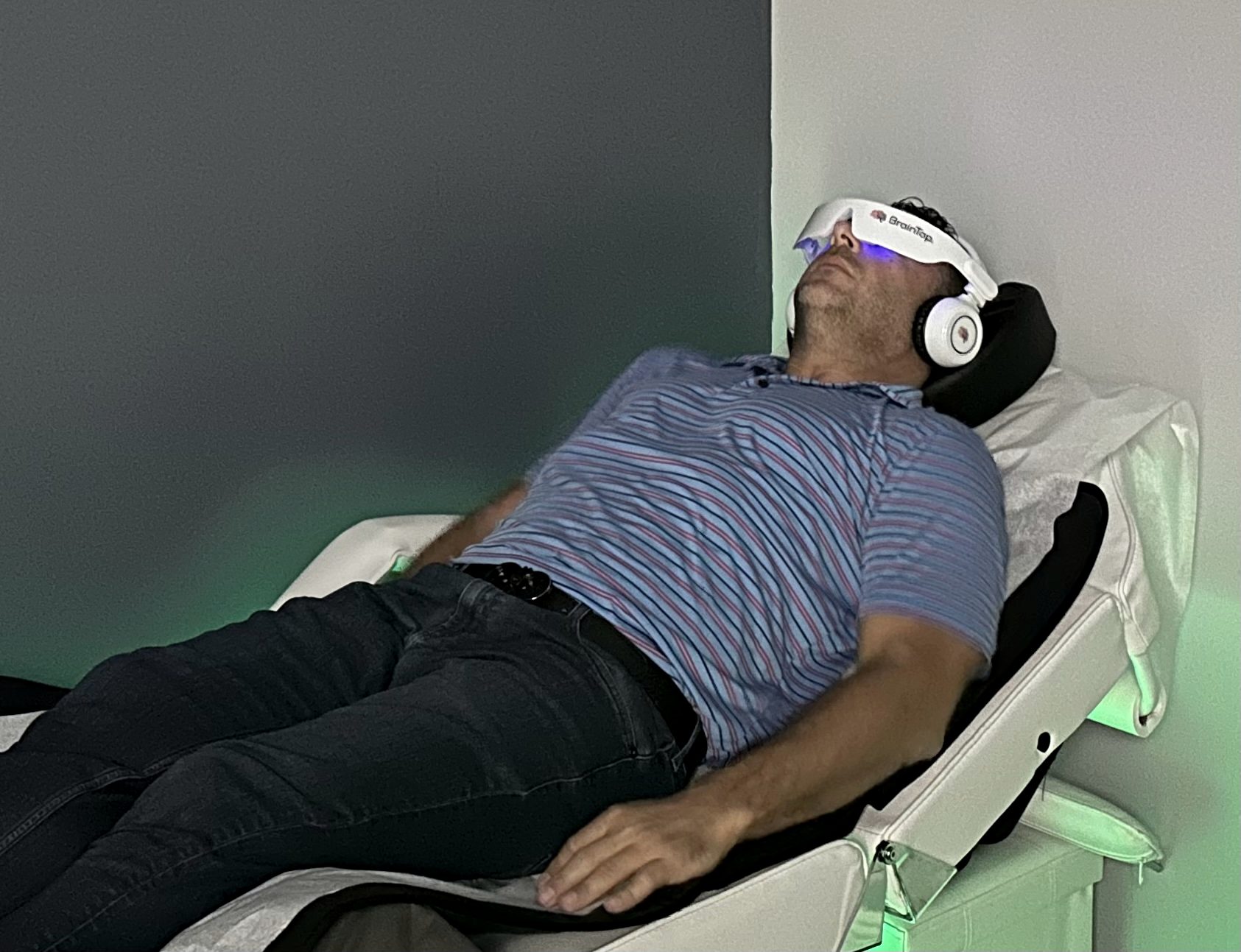
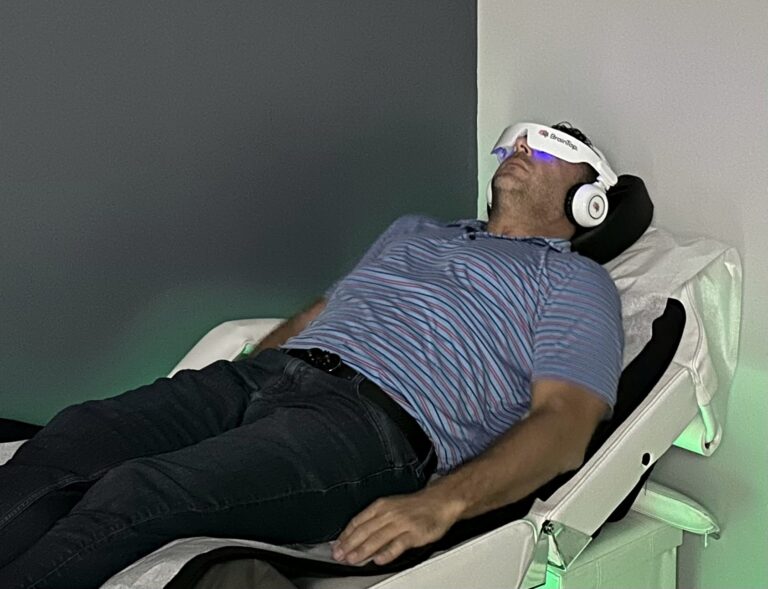
BrainTap therapy is a guided brain-fitness session that uses three things at once: soft, rhythmic light pulses delivered through a visor-style headset, calming tones in each ear, and a guided audio track that walks you through relaxation. You sit back in a comfortable chair, close your eyes, and let the session do the work.
The idea behind it is simple. A stressed mind runs in a fast, alert brainwave pattern all day. Rhythmic light and sound give the brain a slower rhythm to follow — a process often called entrainment — so it can settle into the calmer patterns associated with rest and recovery. The guided audio layers breathing cues and visualization on top, which is why most people describe the session as deeply restful rather than something they have to ‘do’.
BrainTap is a wellness and relaxation tool, not a medical device, and it does not diagnose or treat any condition. We offer it because the nervous system that holds tension in your shoulders, jaw and low back is the same one that holds a racing mind, and a calmer nervous system makes every other part of care easier.

What does BrainTap therapy help with?
Patients in Coral Springs and Parkland book BrainTap therapy for the things modern life wears down: a mind that will not switch off, sleep that does not restore, and focus that fades by mid-afternoon. The most common reasons we see are:
- Stress and tension. A structured way to let go of daily pressure — deadlines, commuting, screens — in a short, guided window.
- Poor sleep. Many people report falling asleep more easily and waking more refreshed after building sessions into their routine.
- Low focus and mental clarity. A calmer baseline tends to make concentration easier for the rest of the day.
- Everyday burnout. A restful pause for people who have not had one in a long time.
- A tense, guarded body. Chronic stress keeps the muscles beside the spine switched on; relaxation helps adjustments hold.
- Winding down after a long day — a session at the end of a visit sends you home settled instead of wired.
There is also a practical spine reason. The stress response tightens the upper trapezius and suboccipital muscles, which feeds neck pain and tension headaches, and it keeps the low back guarded, which slows recovery from lower back pain. Settling the nervous system is part of treating the body, not separate from it.
What is a BrainTap therapy session like?
There is nothing to prepare for and nothing you have to do well. A session takes about 20 minutes and feels like the deepest part of a nap without actually sleeping.
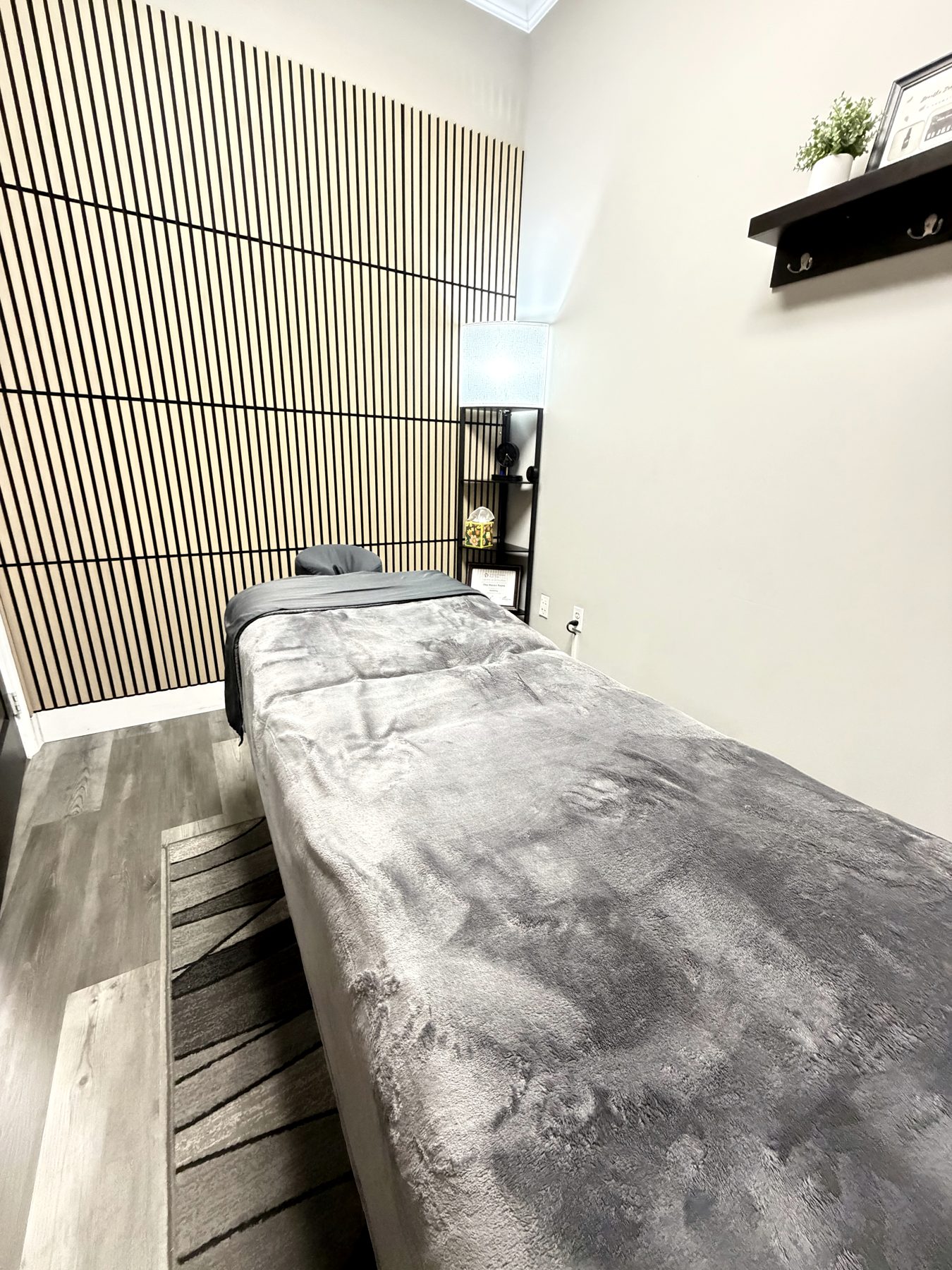
- Settle in. You sit back in a comfortable recliner in our recovery room and choose a session with a focus — stress, sleep, focus or recovery.
- Headset on. The soft visor delivers gentle, rhythmic light through closed eyelids while the headphones play layered tones and the guided audio.
- Follow the voice. The guide walks you through breathing and visualization. Most people drift into a calm, floating state within a few minutes.
- Come back slowly. The session eases you out at the end. People typically describe feeling clear, lighter and unhurried.
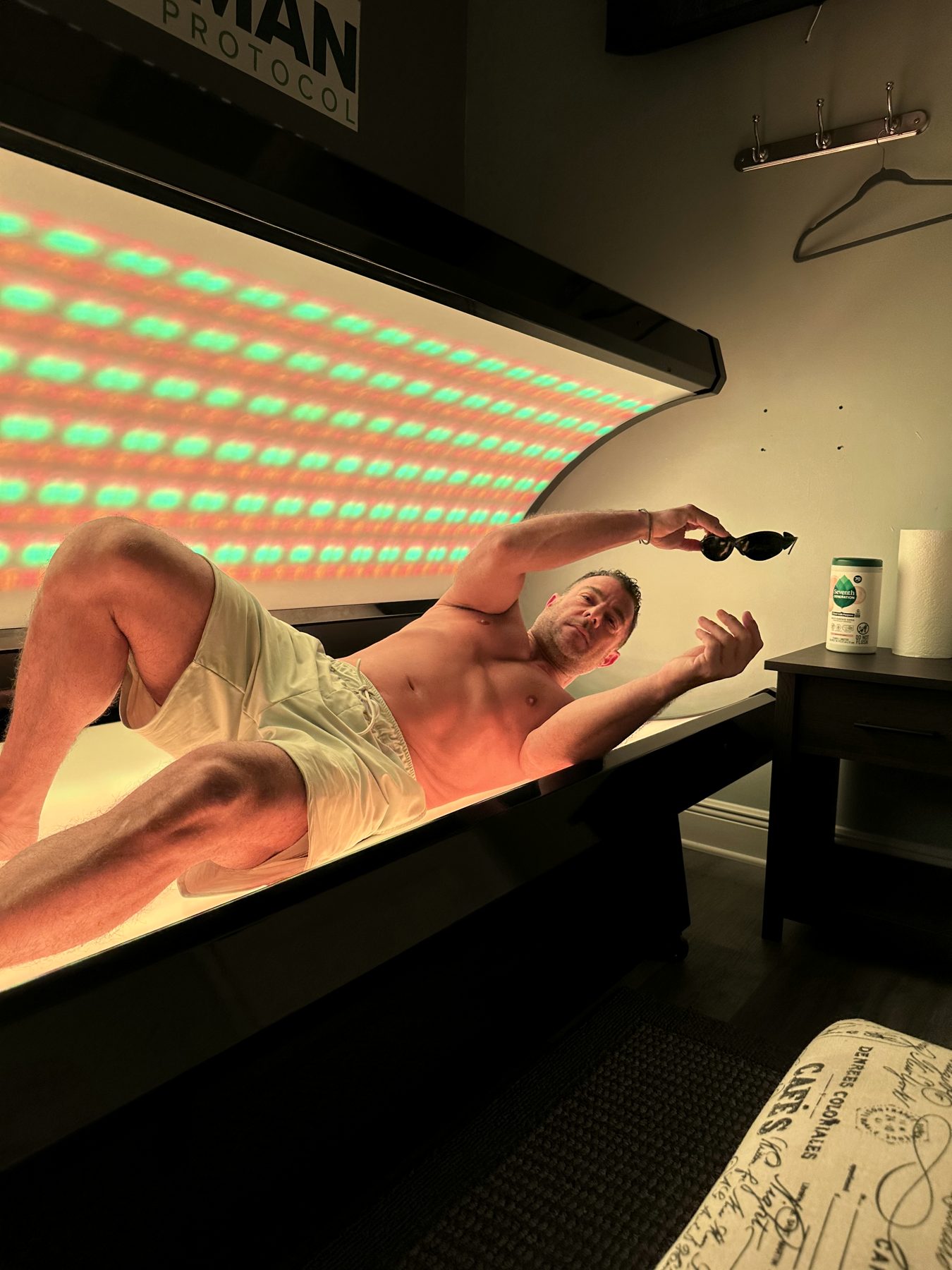
Many patients schedule BrainTap at the end of a visit — after decompression on the Triton DTS table, an adjustment or a massage — so they leave with both the body and the mind settled. It pairs naturally with a red light therapy session in the same recovery room.
Where does BrainTap therapy fit in the 4R Method?
Every plan at The Spine and Wellness Center follows the 4R Method — Repair, Rebuild, Regenerate, Refine. BrainTap therapy is a Regenerate-phase tool: it belongs to the stage where the painful structure has been repaired and rebuilt and the goal becomes whole-system recovery.
R3 · Regenerate — stress, sleep and focus
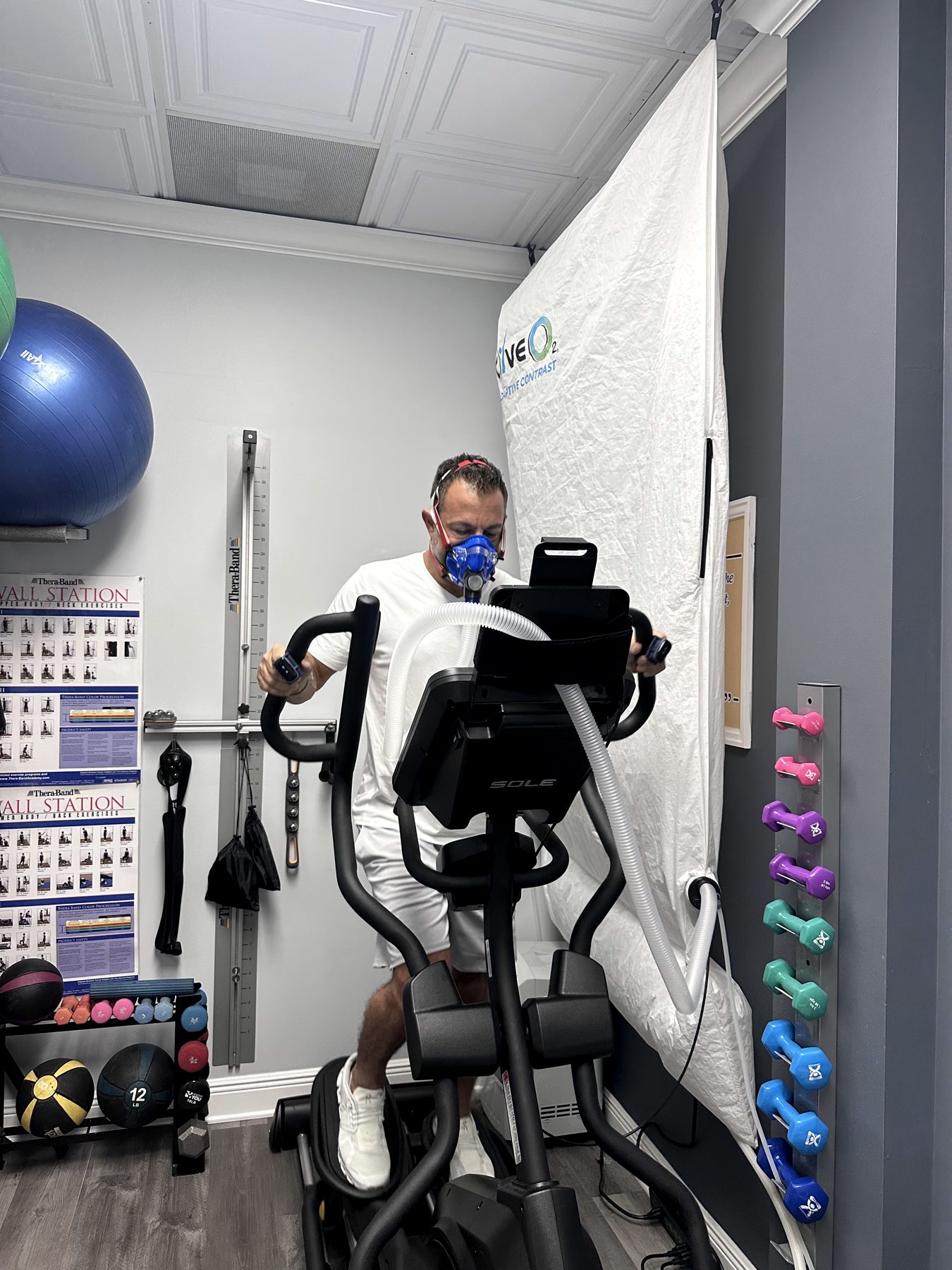
In the Regenerate phase (about 2 visits a week for 2+ months) we work on the things that decide whether a corrected spine stays corrected: sleep quality, stress load, recovery capacity and energy. BrainTap sits alongside whole-body red light, PEMF and IHHT oxygen therapy, each addressing a different piece of that picture.
Earlier phases — a calmer patient heals faster
We sometimes introduce a short session in the Repair or Rebuild phase for patients who arrive wound tight — after a car accident, during a stressful stretch at work, or when pain itself has become the stressor. A settled nervous system guards less, and a body that guards less responds better to chiropractic care and rehab.
R4 · Refine — an easy habit to keep
In Refine, many patients keep a session paired with their monthly tune-up as a standing reset. There is no fixed schedule; we suggest a rhythm based on what you are hoping to feel, and you are never locked in.
Red light therapy
Whole-body photobiomodulation for recovery and energy in the same recovery room.
Learn moreIHHT oxygen therapy
Intermittent hypoxic-hyperoxic breathing that conditions the mitochondria.
Learn moreMassage therapy
Hands-on release for the muscle tension that stress leaves behind.
Learn morePEMF therapy
Pulsed electromagnetic fields for inflammation and recovery between visits.
Learn moreIs it safe, and what does the evidence say?
BrainTap is non-invasive and drug-free — no needles, no medication, no downtime. The light is low-intensity and delivered through closed eyes; the sound is at a comfortable volume you control. Most people simply feel relaxed afterward.
We keep claims measured. The relaxation response that guided breathing, visualization and rhythmic cues produce is well described: the National Center for Complementary and Integrative Health summarizes evidence that relaxation techniques can help with stress, and may help with sleep and certain types of pain (NCCIH). Research specific to light-and-sound devices is smaller and still developing, so we present BrainTap as a wellness practice, not a treatment for any diagnosed condition.
Who should check with us first
- A history of seizures or photosensitive epilepsy — flashing light is not appropriate; we can run an audio-only session or suggest another option.
- Light-triggered migraine — tell us, and we will start with the lights dimmed or off.
- A diagnosed anxiety, depression or sleep disorder — BrainTap can sit alongside your care, but it does not replace it; please keep your treating clinician informed.
- Pregnancy — sessions are gentle, but let us know so we can position you comfortably.
What to expect at your first two visits
Even for a relaxation session, we measure before we treat. Stress lives in the body, and the exam usually shows us exactly where.
Visit one — we measure (and usually begin care)
- A real conversation about sleep, stress, focus and the physical complaints that often travel with them.
- A hands-on structural exam — posture, neck and upper-back range of motion, and the muscle tension patterns that chronic stress produces.
- Surface EMG and thermal scanning along the spine (the MyoVision sEMG scan), which makes guarding visible — many stressed patients are surprised by how ‘loud’ their upper back reads.
- Digital X-rays, when indicated, if the exam points to a structural problem.
Visit two — your findings and plan
Dr. Jared Cohen, DC reviews the findings with you and maps a plan across the 4R phases, including where BrainTap fits. Treatment begins on this visit. If pain is part of the picture, the 60-second spine assessment gives us a head start before you arrive.
Serving stress and sleep patients across North Broward
Our clinic at 5675 Coral Ridge Drive, Coral Springs, FL 33076 serves Coral Springs, Parkland, Coconut Creek, Margate, Boca Raton, Tamarac, Pompano Beach and Deerfield Beach. Same-day appointments are usually available — call (954) 341-2256 or book online. Most patients from Parkland and Coral Springs are here in under 15 minutes.
Medically reviewed by Dr. Jared Cohen, DC — Co-Founder & Clinical Director, The Spine and Wellness Center. Last reviewed October 2026.
Frequently asked questions
What does a BrainTap session feel like?
You sit back in a comfortable chair wearing a soft light-and-sound headset and simply listen. Most people find the gentle tones and guided audio deeply relaxing — somewhere between a meditation and the best part of a nap. There is nothing to do but close your eyes and let the session guide you.
How long is a BrainTap therapy session?
About 20 minutes. Because there is no preparation and no downtime, most patients schedule it at the end of a visit — after an adjustment, decompression or massage — so they leave with both the body and the mind settled.
How often should I use BrainTap?
There is no one-size-fits-all schedule. In the Regenerate phase many patients include a session at each visit, about twice a week; in Refine, one with the monthly tune-up is common. We suggest a rhythm based on what you are hoping to feel, and you can change it at any time.
Is BrainTap therapy a medical treatment?
No. It is a relaxation and brain-fitness tool intended to help you unwind, sleep better and focus — not a medical device and not a treatment or cure for any condition. If you have a diagnosed sleep, anxiety or mood disorder, BrainTap can sit alongside your care, but your treating clinician should stay involved.
Can BrainTap help with pain?
Indirectly. Chronic stress keeps the muscles beside the spine guarded, which feeds neck pain, tension headaches and a slow-to-settle low back. A calmer nervous system guards less, which helps adjustments and decompression hold. The structural problem itself still needs the structural treatment.
Is BrainTap available near Parkland and Boca Raton?
Yes. Our clinic on Coral Ridge Drive in Coral Springs is a short drive from Parkland, Coconut Creek, Margate, Tamarac and Boca Raton, and same-day appointments are usually available. Call (954) 341-2256 or book online.

Keep reading
From the blog
Same-day appointments
Let's fix the cause.
Measure first, then treat — a plan built on your actual structure.
- Same-day appointments are usually available
- Our team calls you back to confirm your visit
- Coral Springs, serving Parkland & North Broward since 2005
Prefer to talk now? Call or text (954) 341-2256