
Headaches & Conditions · 5 min read
Common migraine triggers and how to manage them
Migraines rarely strike out of nowhere. Most are set off by triggers you can learn to recognize — and one of the most overlooked is sitting in your neck.

Quick answer
The most common migraine triggers are irregular sleep, stress and post-stress let-down, skipped meals, dehydration, caffeine changes, alcohol, bright or flickering light, strong odors, weather shifts, hormonal changes and neck tension from posture. Tracking them in a diary for a few weeks reveals your pattern, and steady routines plus care for the neck reduce attacks.
Why migraine triggers matter
Migraine triggers are the specific conditions — a skipped lunch, a short night, a weather front, a stretch of neck tension — that tip a migraine-prone nervous system into an attack. A migraine is a neurological condition, not just a bad headache: throbbing pain, often one-sided, with nausea, sensitivity to light and sound, and sometimes a visual aura beforehand. The tendency is largely inherited. The individual attacks, though, are usually sparked by something identifiable.
That is the useful part. The National Institute of Neurological Disorders and Stroke lists sleep changes, stress, hormonal shifts, certain foods and sensory stimuli among the common provocations. When you can see your own pattern, you can change the conditions that lead to attacks instead of only reacting once one has started. At our Coral Springs clinic we help patients from Coral Springs and Parkland build exactly that kind of map.

12 common migraine triggers
Everyone’s list is different, but these twelve come up most often in our patients’ diaries. The first five are dietary, the rest are lifestyle and environmental:
- Skipped meals and low blood sugar — the most reliable trigger for many people
- Dehydration, which in a South Florida summer can happen by noon
- Caffeine — both too much and the sudden withdrawal of a missed morning coffee
- Alcohol, especially red wine
- Tyramine-rich and additive-heavy foods: aged cheeses, cured meats, artificial sweeteners, MSG
- Irregular sleep — too little, too much, or a weekend schedule that differs from the week
- Stress, and the let-down after it — the Saturday-morning migraine after a hard week
- Bright light, glare and flickering screens
- Strong odors — perfume, cleaning products, smoke
- Weather and barometric changes, which our afternoon storms deliver on schedule
- Hormonal shifts around the menstrual cycle
- Neck tension and poor posture from desk work — the one most people never think to write down
Good to know
Food triggers are highly individual, so a blanket elimination diet is rarely the answer. Tracking what you ate in the 24 hours before an attack is far more useful than cutting out foods at random.
The neck-posture connection
Many people are surprised how often the neck is involved. The upper cervical joints and the trigeminal nerve that carries migraine pain converge in the same relay station in the brainstem, so tension and joint restriction in the top of the neck can lower your migraine threshold and feed attacks. Long hours hunched over a laptop or phone keep those muscles tight, which is why posture is a recurring theme in prevention — and why some ‘migraines’ turn out to be cervicogenic headaches coming from the neck itself.
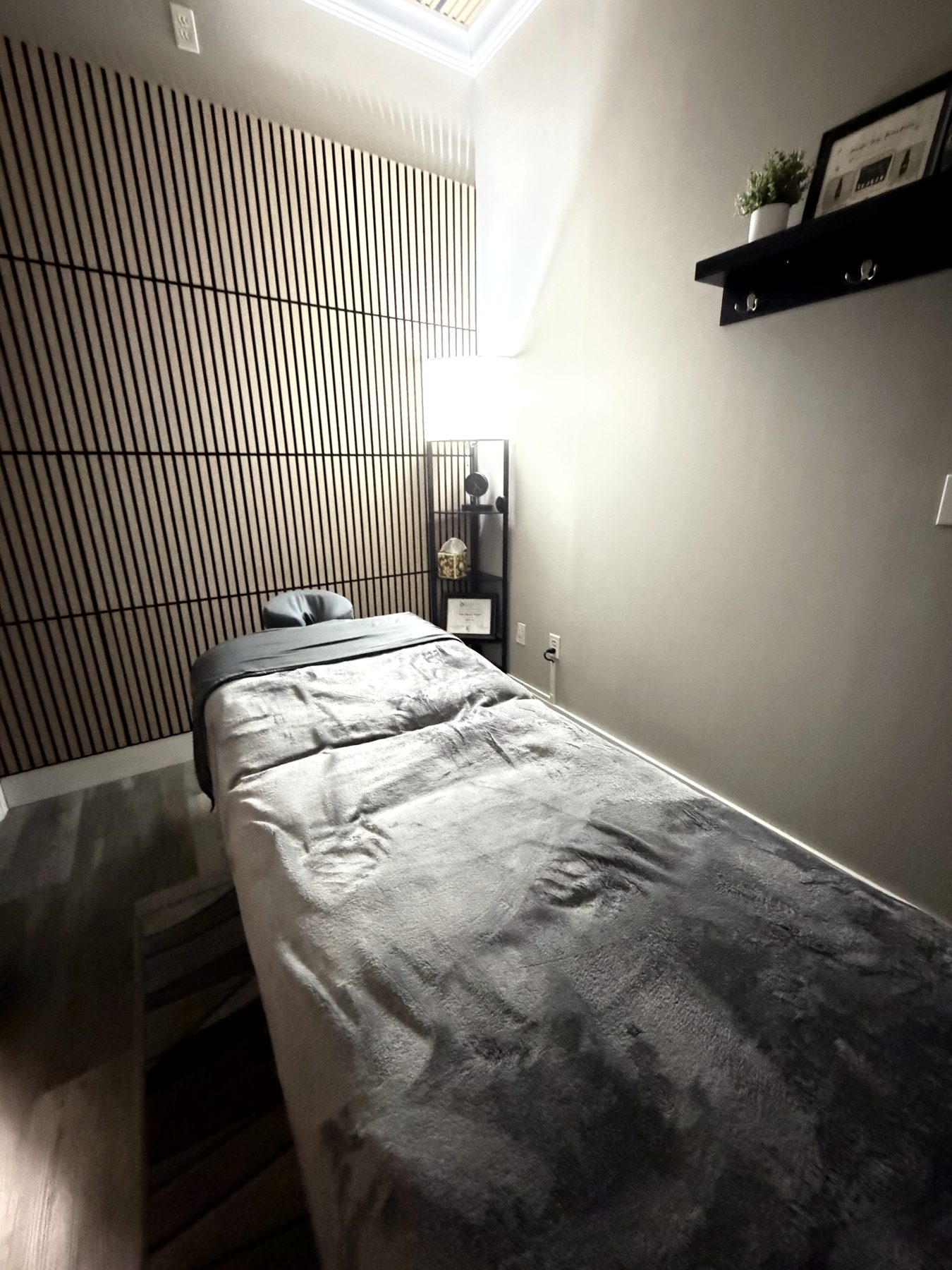
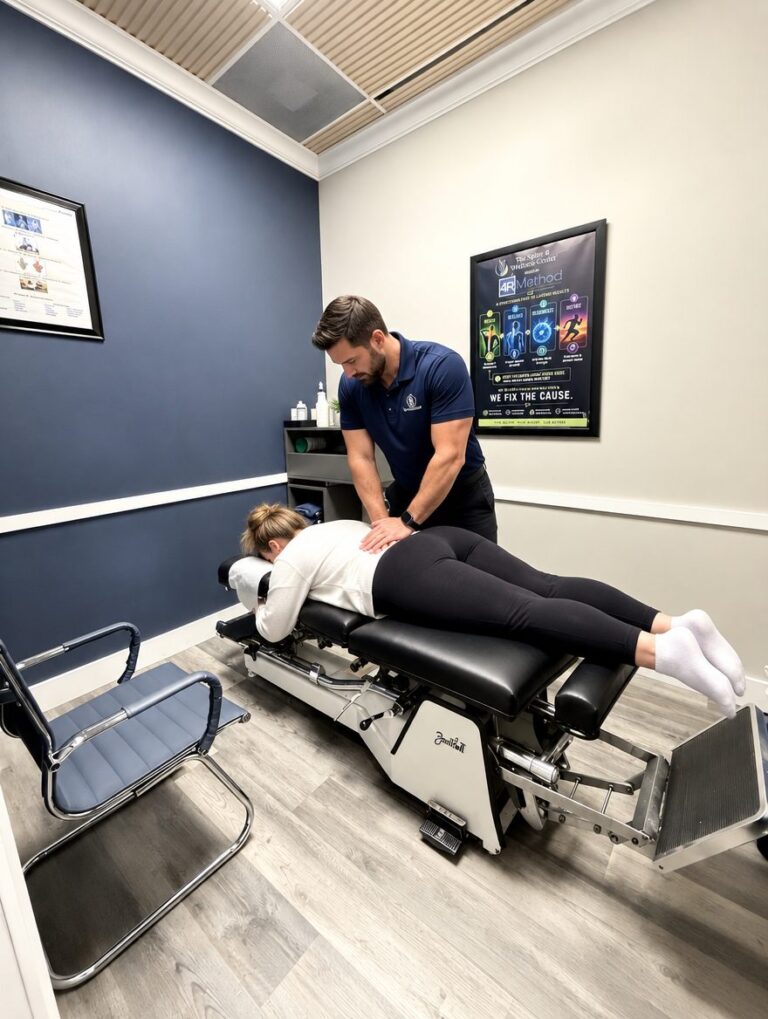
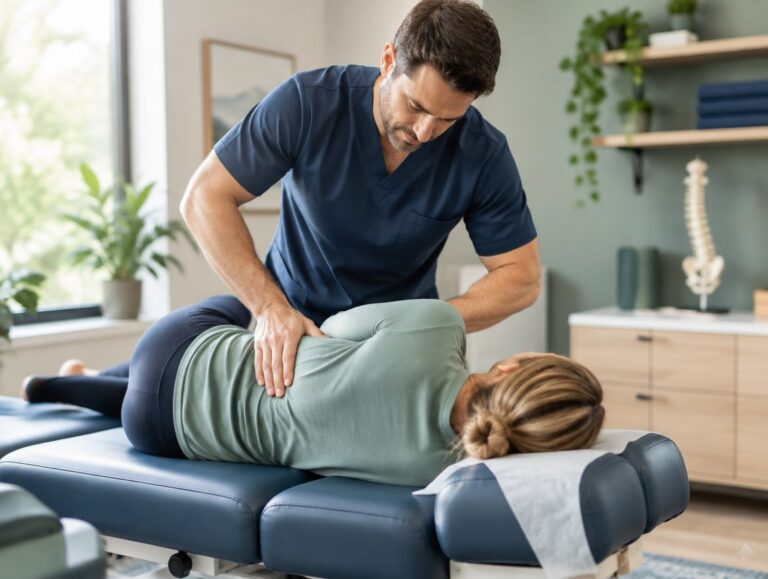
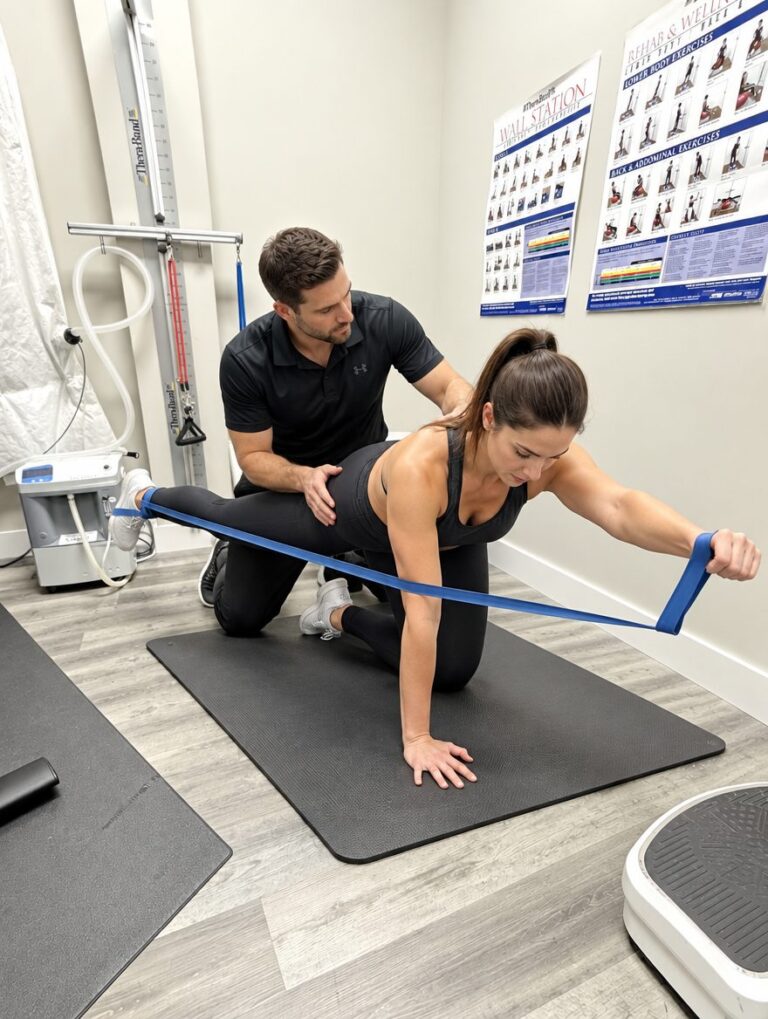
This is where hands-on care fits. Our migraine treatment follows the 4R Method. Visit one is measurement — a conversation about your attack pattern, a hands-on structural exam of the neck, surface EMG and thermal scanning to show where the muscles are guarding, and digital X-rays when indicated. Visit two is your full report of findings and plan, and Most patients have already begun care on visit one; this is where the full plan takes over. In the Repair phase (3–5 visits a week, 4–8 weeks), gentle chiropractic adjustments restore motion to the upper cervical joints and soft-tissue work releases the suboccipitals; Rebuild (2–3 visits a week, 8–16 weeks) corrects the posture that keeps re-tightening them.
Get relief from headaches with chiropractic care covers the evidence.
How to track your migraine triggers
A simple migraine diary is the best tool you have. For each attack, note the date and time, what you ate and drank in the previous 24 hours, how you slept, your stress level, the weather, your screen time and posture, and where you were in your cycle if relevant. After three to four weeks, patterns usually emerge that point to your two or three most reliable migraine triggers — and those are the ones worth changing first.
- Record the day, time, how long the attack lasted and whether there was aura
- Log meals, water, caffeine and alcohol
- Note sleep hours and quality, and any schedule change
- Track stress, screen time and how your neck felt that day
- Mark weather changes, strong smells and bright-light exposure
Drug-free management in Coral Springs and Parkland
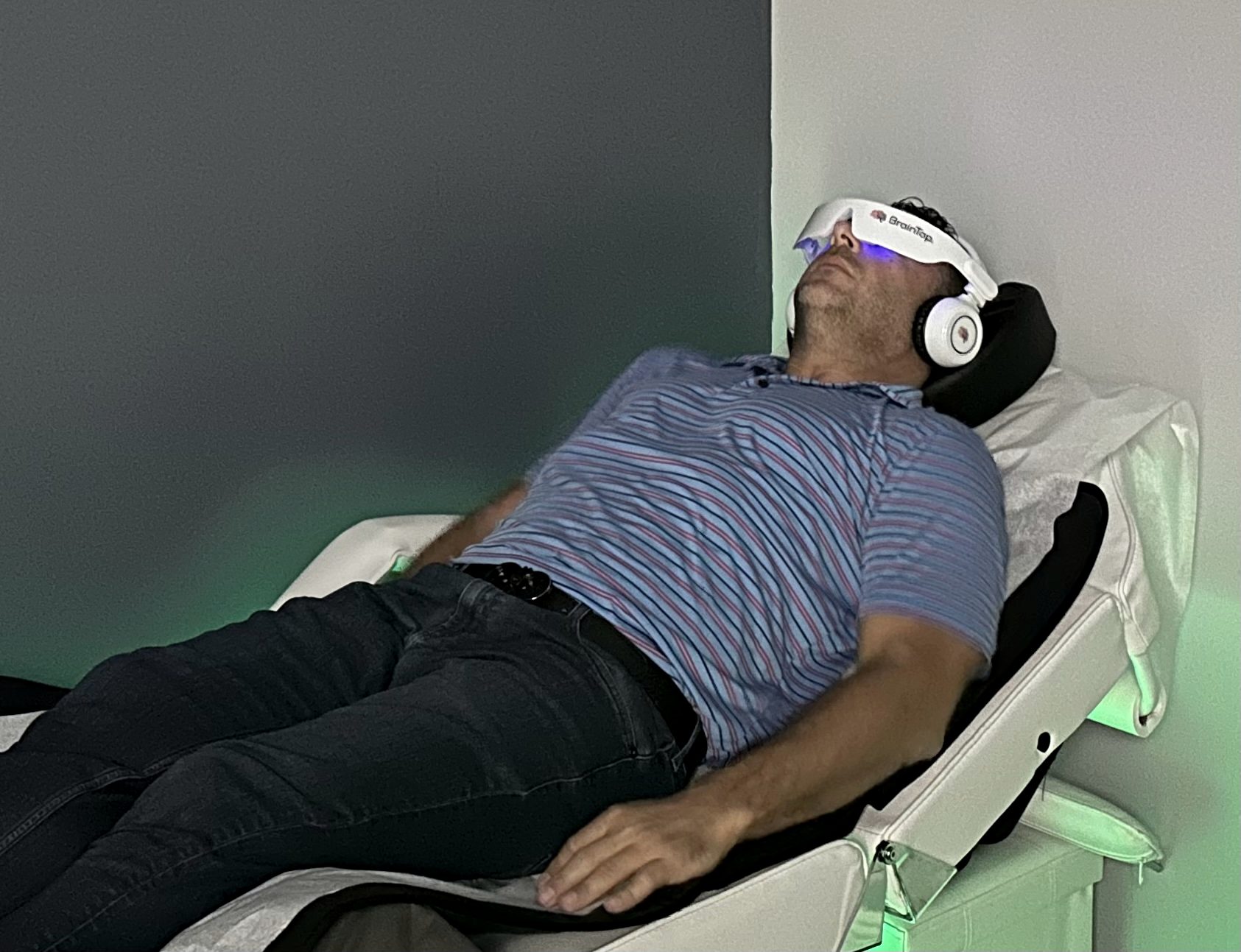
Once your migraine triggers are clear, the goal is steady routines around them: consistent sleep and meal times, a water bottle on the desk, stress management, and posture care. Prevention is rarely about a single change — the durable results come from stacking small habits so no single trigger is enough to tip you into an attack. Many patients add massage therapy for the neck and shoulder tension that lowers their threshold, and BrainTap or red light in the Regenerate phase to settle an over-revved nervous system. How stress affects your spine explains why the stress piece matters so much.
If a headache does not fit the migraine picture — band-like pressure on both sides, no nausea — it may be tension-type instead; natural tension headache relief covers that pattern, and our headache treatment page explains how we tell the two apart. Please see a doctor or urgent care today for the worst headache of your life, a headache with fever and stiff neck, confusion, weakness or trouble speaking, or a new headache after a head injury. To find out how much of your pattern is coming from the neck, start with a spine assessment.
Serving migraine patients across North Broward
Our clinic at 5675 Coral Ridge Drive, Coral Springs, FL 33076 serves Coral Springs, Parkland, Coconut Creek, Margate, Boca Raton, Tamarac, Pompano Beach and Deerfield Beach. Same-day appointments are usually available — call (954) 341-2256 or book online. Most patients from Parkland and Coral Springs are here in under 15 minutes.
Medically reviewed by Dr. Jared Cohen, DC — Co-Founder & Clinical Director, The Spine and Wellness Center. Last reviewed October 2026.
Frequently asked questions
How do I figure out what triggers my migraines?
Keep a migraine diary for three to four weeks: for each attack, note food, drink, sleep, stress, posture, weather and hormonal timing from the previous 24 hours. Patterns usually emerge that point to your two or three most reliable triggers. Change those first rather than overhauling everything at once.
Can a chiropractor help with migraines?
Many patients find that care for the upper neck reduces how often and how hard attacks hit, because the upper cervical joints and the trigeminal nerve share a relay in the brainstem. Gentle adjustments, soft-tissue work and posture correction address that neck component alongside your trigger plan.
Can stress cause migraines?
Yes — both high stress and the let-down after a stressful period are frequent triggers, which is why weekend migraines are so common. Stress also tightens the neck and disrupts sleep, stacking triggers. Consistent routines, breathing practice, BrainTap and reducing neck tension all help.
Does massage therapy help with migraines?
Massage eases the neck and shoulder tension that lowers the migraine threshold, so for many people it reduces attack frequency as part of a broader plan. It complements chiropractic care, posture work and lifestyle changes rather than replacing them, and it pairs well with the Regenerate phase of care.

Same-day appointments
Reading about it is step one.
Step two is a measurement. Visit one we measure — and usually begin care; visit two you get your full findings and plan.
- Same-day appointments are usually available
- Our team calls you back to confirm your visit
- Coral Springs, serving Parkland & North Broward since 2005
Prefer to talk now? Call or text (954) 341-2256