
Treatments & Technology · 6 min read
Cryotherapy for recovery and inflammation: what cold actually does
Three minutes of cold, a rush of fresh circulation afterward. Here is what the science supports, what it does not, and how we use it at our Coral Springs clinic.
Quick answer
Cryotherapy for recovery uses a brief, controlled burst of very cold air, usually two to three minutes, to constrict blood vessels and dampen inflammation. When the cold ends, circulation rebounds and many people feel looser, less sore and more alert. It is a drug-free wellness tool for soreness and recovery, screened for safety first, and results vary from person to person.
How does cryotherapy for recovery work?
Cryotherapy for recovery exposes the body to very cold air for a short, controlled period, typically two to three minutes. The cold triggers an immediate protective response: blood vessels near the skin constrict, blood is shunted toward the core, and the release of inflammatory messengers in sore tissue slows. When you step out, the vessels reopen and oxygen-rich blood flows back into the muscles.
That rebound is what people are describing when they say they feel “flushed” or “looser” afterward. The body also releases endorphins and norepinephrine in response to acute cold, which accounts for the alert, energized feeling that lasts an hour or two.
At The Spine and Wellness Center in Coral Springs we offer cryotherapy as a wellness and recovery tool, not a treatment for disease. It belongs in the Regenerate phase of the 4R Method, alongside red light and PEMF, after the structural problem has been corrected.
What benefits do patients actually notice?
Individual responses vary, and we say so plainly. The benefits patients in Coral Springs and Parkland report most consistently are:
- Less post-workout soreness. Delayed-onset muscle soreness after a hard session often feels milder the next day.
- Reduced swelling and stiffness in joints that ache after training, long runs or a weekend of pickleball.
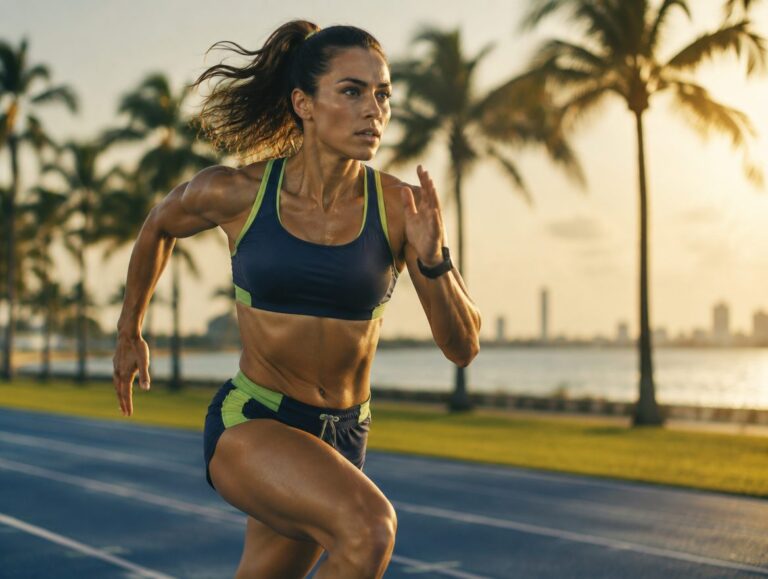
- Faster turnaround between sessions for athletes stacking practices and games.
- A clear mental boost in the hour afterward, which many people use before work or an evening workout.
- Better sleep that night, reported often enough that we hear it from people who came in for something else.
What it does not do: it does not move a disc, free a locked joint or rebuild a weak muscle. Cryotherapy calms the environment; it does not fix the structure. That is why it works best after correction, not instead of it. For the athletes in our performance program, it is one layer of a recovery stack.

What a session is like
A session is quicker than the drive over. You arrive, complete a brief health screening on your first visit, change into dry clothing with gloves and socks to protect the extremities, and step into the chamber. A trained staff member stays with you the entire time, talks you through it and ends the session early if you ask.
The cold is intense but dry, which most people find more tolerable than an ice bath. Two to three minutes later you step out, warm up with a few minutes of light movement, and go back to your day. There is no downtime and nothing to recover from; the whole visit is usually under fifteen minutes.
First-timers often start with a shorter exposure. Frequency depends on your goal: athletes in a heavy training block may come two or three times a week; someone managing everyday soreness may come weekly.
If you are new to cold exposure, start with a shorter session; tolerance builds over a few visits. Keep breathing slowly through the nose. The urge to hold your breath passes in the first twenty seconds, and the people who relax into it are the ones who get the warm rebound fastest. A short walk afterward speeds it further.
Who should skip cryotherapy, and what the evidence says
Cryotherapy is not right for everyone, and the screening before your first session is not a formality. We do not offer it to people with uncontrolled high blood pressure, certain heart or circulatory conditions, Raynaud’s phenomenon or cold urticaria, during pregnancy, or with open wounds or recent surgery without clearance. If you are unsure, ask your physician first.
On evidence, the honest picture is mixed. Cleveland Clinic notes that localized cold therapy has a long track record for pain and swelling, while whole-body cryotherapy is supported mainly by small studies and patient-reported benefit. We present it as a recovery and wellness tool, not a medical treatment, and we will tell you if something else serves your goal better.
For a fresh injury, a swollen ankle or a knee that just took a hit, targeted ice and elevation in the first 48 hours still do the job better than a chamber. The chamber is for whole-body soreness and recovery; localized cold is for the one joint that is swelling.
Good to know
Cold is a great tool for calming tissue and a poor tool for warming it up. Do cryotherapy after training or on a rest day, not immediately before a hard workout, when muscles need blood flow, not less of it.
Pairing cryotherapy for recovery with the rest of your care
The combination is usually more useful than any single tool. The pairings we recommend most:
- Cryotherapy + red light therapy: cold to calm inflammation, light to support cellular repair. Many athletes do them back to back; we covered the light side in Red Light Therapy Benefits, Explained.
- Cryotherapy + chiropractic care: restore joint motion first, then use cold to settle the tissue around it.
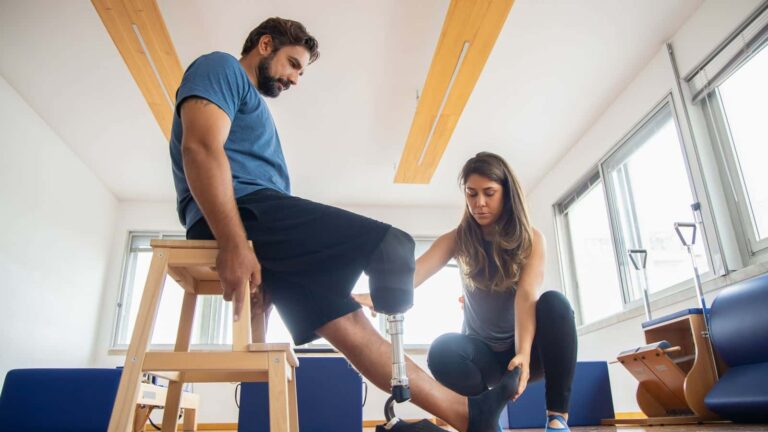
- Cryotherapy + sports injury rehab: as training load ramps back up, cold keeps soreness from stalling progress.
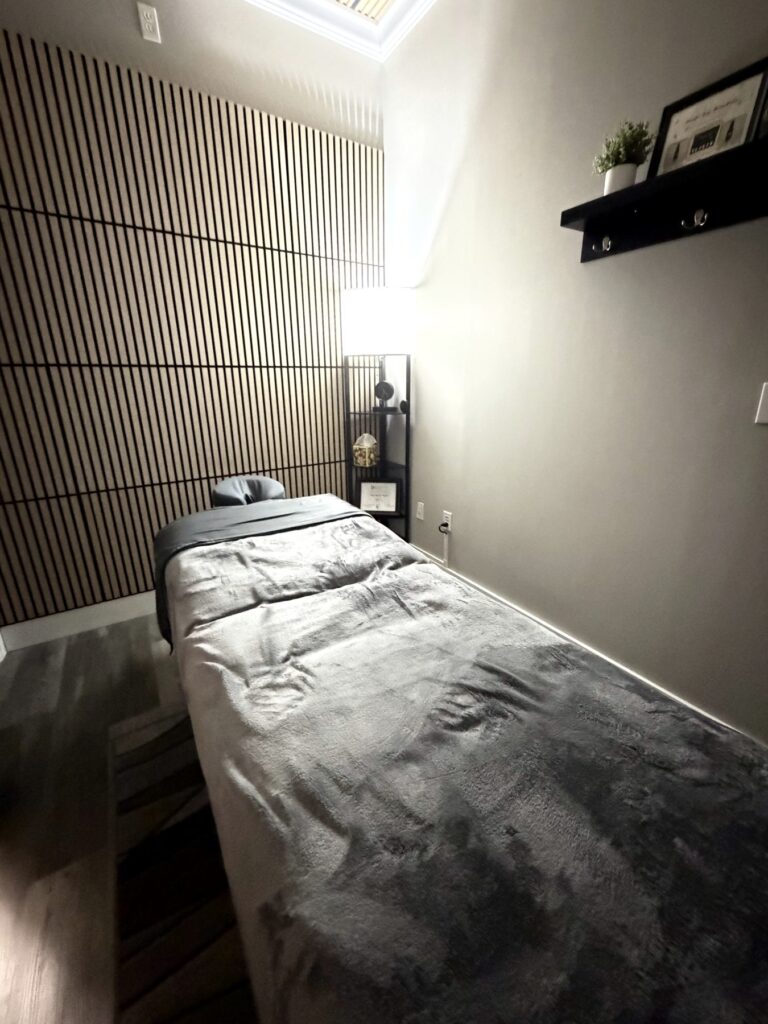
- Cryotherapy + massage: soft-tissue work releases the guarding; cold keeps it from returning overnight.
If you are coming back from an injury rather than a hard week of training, start with Recovering From a Sports Injury the Right Way; recovery tools help most once the injury itself has been measured and treated. A spine assessment on visit one is where that starts, and visit two is where you see the findings and the plan.
For the broader list of medication-free tools, read Drug-Free Pain Relief Options That Actually Work.
Serving athletes and active adults across North Broward
Our clinic at 5675 Coral Ridge Drive, Coral Springs, FL 33076 serves Coral Springs, Parkland, Coconut Creek, Margate, Boca Raton, Tamarac, Pompano Beach and Deerfield Beach. Same-day appointments are usually available — call (954) 341-2256 or book online. Most patients from Parkland and Coral Springs are here in under 15 minutes.
Medically reviewed by Dr. Jared Cohen, DC — Co-Founder & Clinical Director, The Spine and Wellness Center. Last reviewed October 2026.
Frequently asked questions
How long does a cryotherapy session take?
The cold exposure itself lasts two to three minutes. With the brief screening, changing and a few minutes of warm-up movement afterward, the whole visit is usually under fifteen minutes, and there is no downtime, so most people go straight back to work or their workout.
Does cryotherapy really help with recovery?
Many athletes and active adults report less soreness, less stiffness and a clear energy boost after sessions, and localized cold has a long track record for pain and swelling. Evidence for whole-body cryotherapy is smaller and results vary, so we present it as a recovery and wellness tool rather than a medical treatment.
Who should not do cryotherapy?
People with uncontrolled high blood pressure, certain heart or circulatory conditions, Raynaud's, cold urticaria, open wounds or recent surgery, and anyone who is pregnant should not do cryotherapy. We screen every new patient before the first session and will tell you if another option is a better fit.
Should I do cryotherapy before or after a workout?
After. Cold constricts blood vessels and dampens inflammation, which is useful once training is done. Before a hard workout, muscles need warmth and blood flow. Many athletes schedule cryotherapy after an evening session or on a rest day, often paired with red light therapy.
Same-day appointments
Reading about it is step one.
Step two is a measurement. Visit one we measure — and usually begin care; visit two you get your full findings and plan.
- Same-day appointments are usually available
- Our team calls you back to confirm your visit
- Coral Springs, serving Parkland & North Broward since 2005
Prefer to talk now? Call or text (954) 341-2256