
Back & Neck · 6 min read
What’s really causing your lower back pain
Discs, facet joints, the SI joint, tight hips, weak core — the lumbar spine has several ways to hurt, and they feel surprisingly alike. Here is how we tell them apart.

Quick answer
Most lower back pain comes from one of a few structures: a bulging or herniated disc, irritated facet joints, the sacroiliac joint, or strained muscles and ligaments — often with weak core and tight hips underneath. Lasting relief depends on identifying which one is driving your pain, then treating it in the right order.
Why it is so common — and so hard to pin down
Lower back pain is the single most common complaint we see at The Spine and Wellness Center, and it has been since we opened in Coral Springs in 2005. The five lumbar vertebrae carry most of your body weight through every step, lift, twist and hour in a chair. That constant demand makes the area easy to irritate, and several different structures down there produce pain that feels almost identical.
That is why guessing rarely works. A plan built for a disc will not fix a sacroiliac joint, and a stretch routine for tight muscles will not quiet an inflamed facet. The National Institute of Neurological Disorders and Stroke notes that most acute low back pain is mechanical — meaning it comes from how the parts of the spine fit and move together — which is exactly the kind of problem a careful exam can sort out.

The 7 most common causes of lower back pain
Here are the seven sources that account for nearly every case we treat, with the pattern that gives each one away:
- Bulging or herniated disc. Worse sitting, bending forward, coughing or sneezing; a deep ache that may spread into the buttock. When the disc presses on a nerve root you get sciatica — pain, tingling or numbness down one leg. See herniated disc symptoms, causes and treatment.
- Facet joint irritation. The small joints behind each disc lock up and inflame. Sharp, localized pain that is worse standing, arching backward or first thing in the morning — the ‘I can’t stand up straight’ back.
- Sacroiliac (SI) joint dysfunction. One-sided pain just off-center in the low back, over the dimple above the buttock, that flares when you stand from a chair, roll over in bed or climb stairs.
- Muscle or ligament strain. A broad, tight ache after lifting, yard work or a long drive. Usually settles in days — but recurring ‘strains’ almost always mean a joint or disc underneath is the real driver.
- Degenerative disc changes. Discs that have lost height and hydration, producing stiffness after inactivity and pain that varies day to day. Our degenerative disc disease guide covers this in depth.
- Spinal stenosis. Leg heaviness or cramping that comes on with walking or standing and eases when you sit or lean on a shopping cart — more common after 50.
- Posture and load habits. Hours of sitting, a rounded-back lift, a sagging mattress. Rarely the whole story on their own, but very often the reason one of the structures above finally gave out.
Good to know
Most people have a combination — a disc that is a little irritated, facets that have locked up to protect it, and muscles in spasm around both. That is why a plan that only stretches, only adjusts or only medicates tends to give temporary relief.
The overlooked culprits behind recurring back pain
Some causes never announce themselves. Tight hip flexors from a desk job pull the pelvis forward and overload the lumbar discs. A weak deep core leaves the spine without its natural brace, so the joints and ligaments take every load. Old movement habits — bending from the waist, twisting while lifting — quietly repeat the injury hundreds of times a week.
Stress and poor sleep amplify pain perception, and a sedentary routine weakens the very muscles that protect the back. If you sit for a living, how sitting strains your back explains the mechanics, and recognizing these factors is often the difference between a temporary fix and a durable one.
Red flags you should not ignore
Most back pain is not dangerous, but a few symptoms mean the evaluation should happen today rather than next week. Please see a doctor or urgent care today if you notice:
- Numbness or tingling in the groin or inner thighs
- New difficulty controlling your bladder or bowel
- Progressive leg weakness or a foot that slaps when you walk
- Fever, unexplained weight loss or night pain that does not change with position
- Severe pain after a fall, collision or other significant trauma
How we find the real cause on your first visit
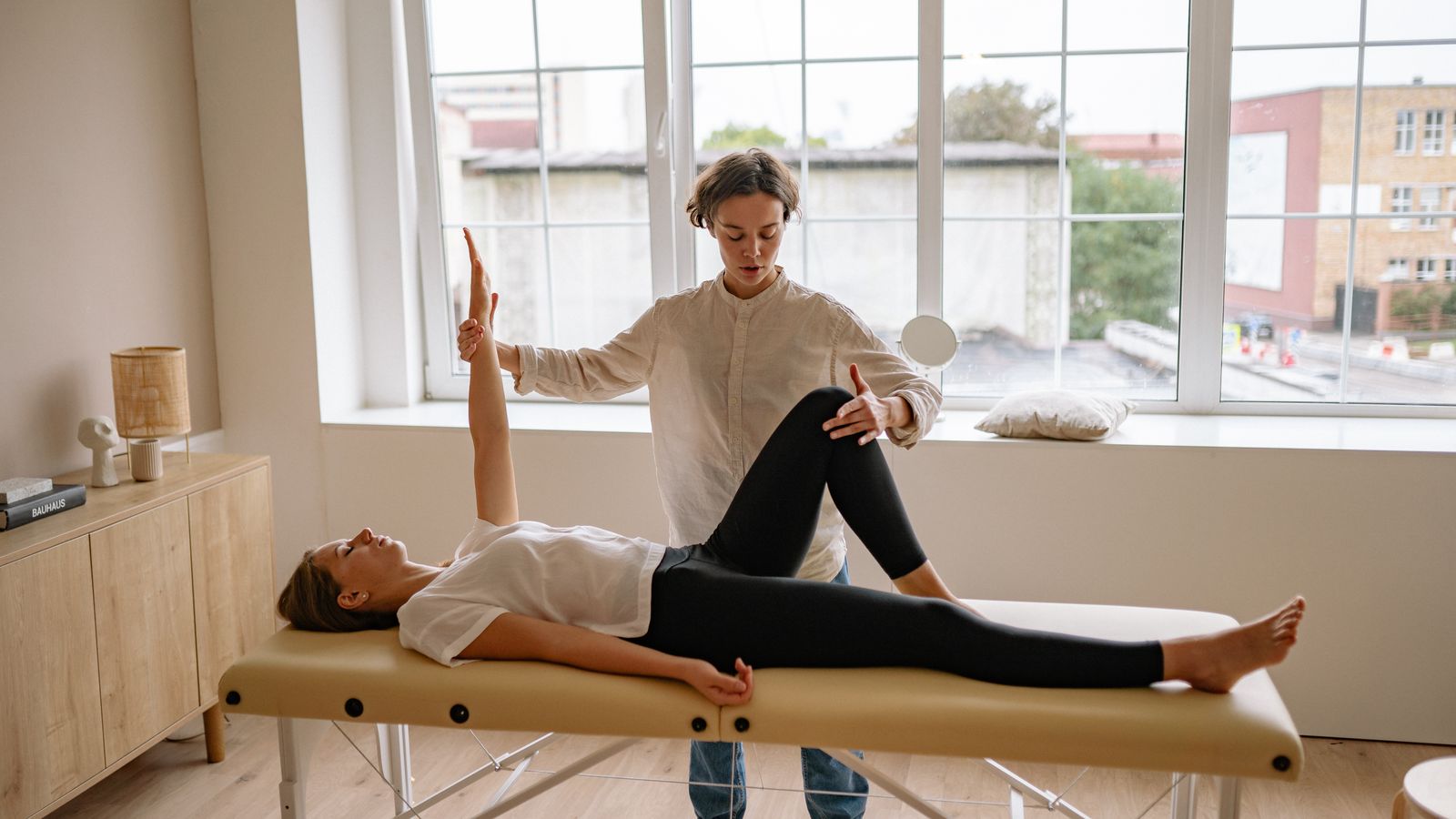
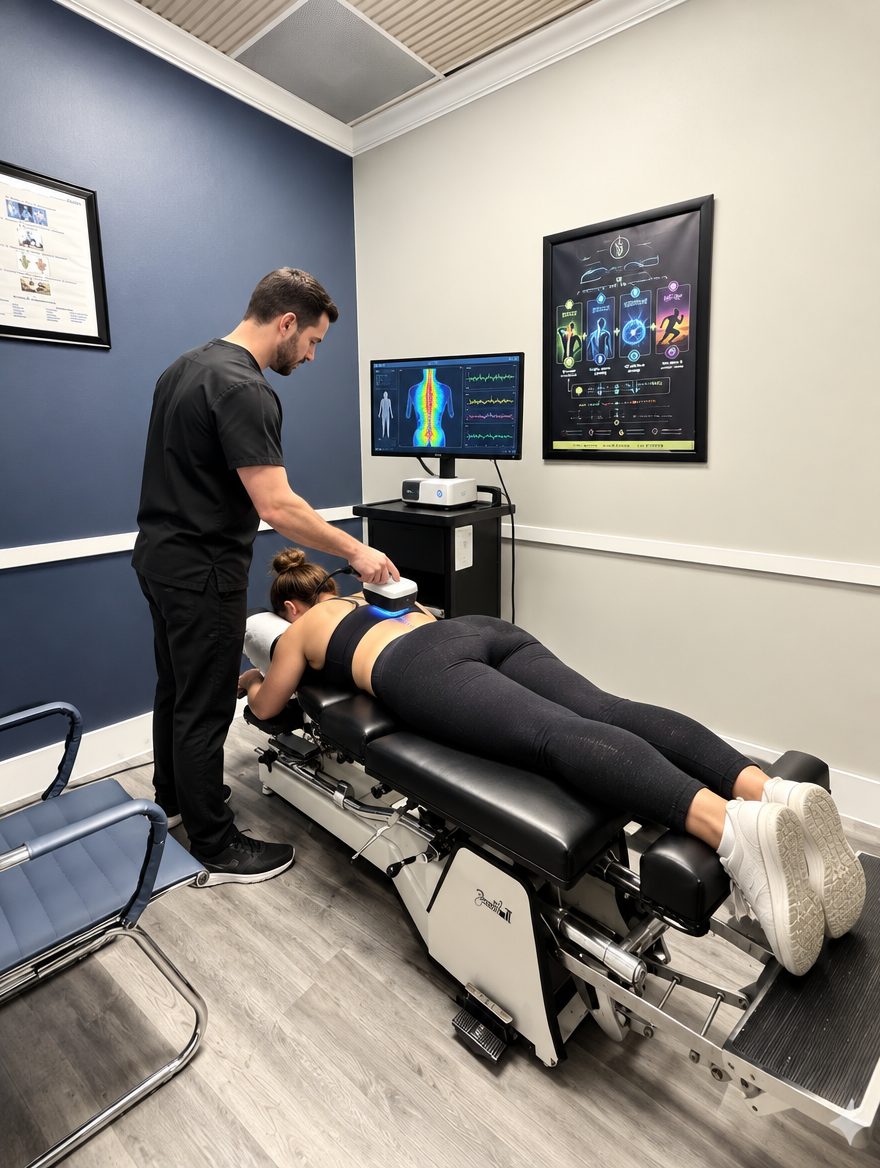
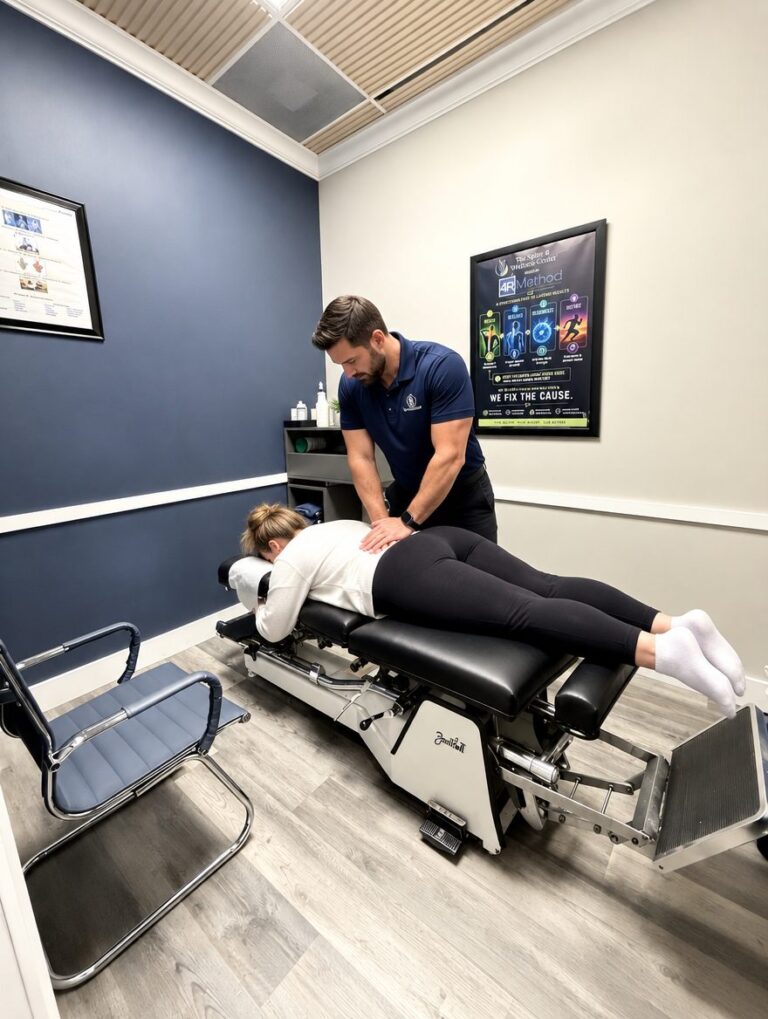
Visit one is measurement. We start with a conversation about how the pain behaves — what makes it better, what makes it worse, whether it travels. Then a hands-on structural exam tests each candidate: disc loading, facet compression, SI provocation, hip mobility and nerve tension. Surface EMG and thermal scanning show where the muscles are guarding, and digital X-rays, when indicated, show alignment and disc spacing.
Visit two is your full report of findings and plan, and Most patients have already begun care on visit one; this is where the full plan takes over. The aim is to identify the actual pain generator rather than treat a vague label. If you want to start there, book a spine assessment — it is the same measurement visit.
Treatment that addresses the cause, not the label
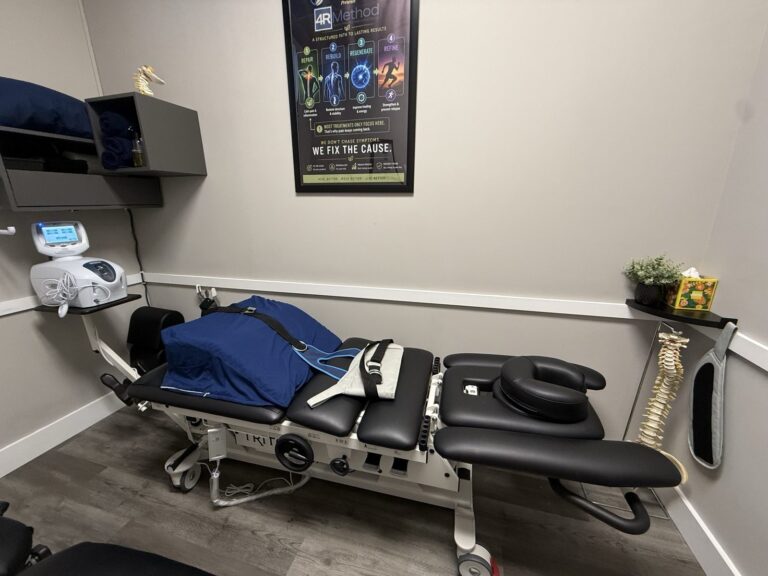
Once we know the source, the plan follows the 4R Method: Repair, Rebuild, Regenerate, Refine. For disc and nerve patterns, Repair means non-surgical spinal decompression on the Triton DTS table plus precise adjustments, usually 3–5 visits a week for 4–8 weeks. For facet and SI patterns, chiropractic adjustments and cold laser do most of the early work.
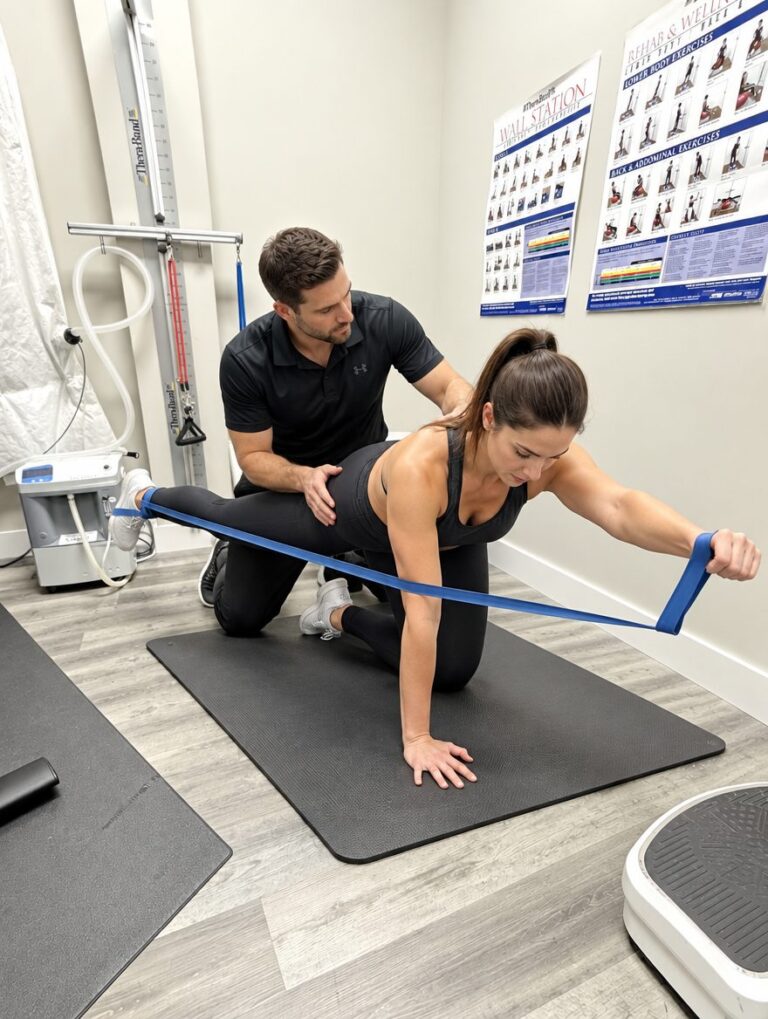
Rebuild (2–3 visits a week for 8–16 weeks) corrects what caused it — core and hip retraining through physical therapy, soft-tissue work for the fibrotic tissue around the injury. That is the phase that keeps the pain from coming back. Our back pain treatment page lays out each tool, and lower back pain relief in Coral Springs matches each treatment to the pattern it fits.
Between visits: walk daily, break up sitting every 30–45 minutes, lift with the load close to your body, and try the 8 stretches for lower back pain once the sharp phase settles. Stop any stretch that sends pain down the leg.
Serving lower back pain patients across North Broward
Our clinic at 5675 Coral Ridge Drive, Coral Springs, FL 33076 serves Coral Springs, Parkland, Coconut Creek, Margate, Boca Raton, Tamarac, Pompano Beach and Deerfield Beach. Same-day appointments are usually available — call (954) 341-2256 or book online. Most patients from Parkland and Coral Springs are here in under 15 minutes.
Medically reviewed by Dr. Jared Cohen, DC — Co-Founder & Clinical Director, The Spine and Wellness Center. Last reviewed October 2026.
Frequently asked questions
What are the most common causes of lower back pain?
Disc problems (bulges and herniations), facet joint irritation, sacroiliac joint dysfunction, muscle and ligament strain, degenerative disc changes, spinal stenosis and posture-related overload. Most people have a combination, which is why a hands-on exam that tests each structure matters more than a label.
Is it better to rest or move with lower back pain?
Gentle movement is usually better than prolonged bed rest, which stiffens the joints and weakens the muscles that support the spine. Walk, change positions often and stay active within comfortable limits. Avoid the specific movements that sharply increase pain, and get evaluated if it is not improving within a week or two.
How do you figure out what is causing my back pain?
On your first visit we take a careful history, then test each structure with a hands-on exam — disc loading, facet compression, SI joint provocation, hip mobility and nerve tension — plus surface EMG, thermal scanning and digital X-rays when indicated. Visit two is the report of findings and plan.
Can a chiropractor help with lower back pain?
Yes. Chiropractic care restores motion to locked facet and SI joints and reduces nerve irritation; for disc-related pain we add non-surgical spinal decompression. Rehab then strengthens the core and hips so the relief holds. Care is matched to the structure causing your pain rather than a one-size routine.
Same-day appointments
Reading about it is step one.
Step two is a measurement. Visit one we measure — and usually begin care; visit two you get your full findings and plan.
- Same-day appointments are usually available
- Our team calls you back to confirm your visit
- Coral Springs, serving Parkland & North Broward since 2005
Prefer to talk now? Call or text (954) 341-2256