
Discs & Nerves · 6 min read
Degenerative disc disease: a practical guide
The name sounds alarming. The reality is a disc that has lost some height and water — common, manageable, and very responsive to the right kind of movement and care.

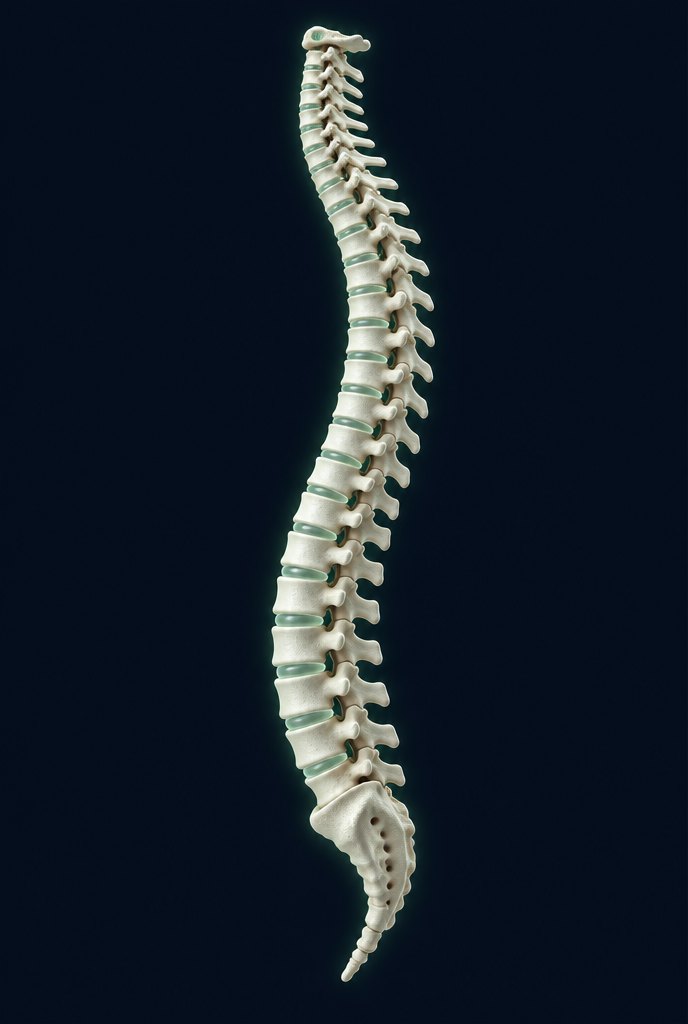
Quick answer
Degenerative disc disease is not a disease; it describes the normal loss of disc height and hydration with age. It becomes a problem when a thinner disc irritates nearby joints or nerves, producing flare-ups. Most people manage it well without surgery through decompression, adjustments, core strength and regular walking.
Is degenerative disc disease really a disease?
Not in the usual sense. Degenerative disc disease is a description, not an illness: it means one or more spinal discs have lost some of their height, water content and cushioning ability. Almost everyone develops some disc wear with age, and a large share of people with these changes on an MRI have no pain at all. The Cleveland Clinic describes it the same way — a normal process that becomes a problem only when it irritates something nearby.
In our Coral Springs clinic, the phrase usually arrives on an imaging report and scares people more than it should. I have been helping patients in Coral Springs and Parkland manage it without surgery since 2005, and the first job is almost always to reframe it: a thinner disc is a fact, not a sentence.

Why discs dry out over time
A young disc is roughly 80 percent water, which is what gives it that springy, shock-absorbing quality. Discs have almost no direct blood supply; they feed by soaking up fluid when they are unloaded (lying down, walking) and squeezing waste out when they are compressed. As the years pass, that exchange slows, the disc holds less water, and it becomes thinner and stiffer.
A thinner disc changes the mechanics around it. The facet joints behind it carry more load and inflame. The openings where nerve roots exit get smaller. The ligaments thicken. Genetics set the pace, but long daily sitting, smoking, past injuries, extra body weight and a sedentary routine all speed it up — and regular movement slows it down.
Common symptoms and what a flare-up feels like
- Low back or neck pain that varies from day to day — fine one week, stiff the next
- Pain that worsens with sitting, bending or twisting, and eases with walking or changing position
- Stiffness after inactivity, especially first thing in the morning or after a long drive
- Occasional radiating pain, numbness or tingling into a leg or arm when a nerve opening narrows
- A ‘catch’ or grinding feeling when the facet joints behind the disc are irritated
The most frustrating feature is the flare-up: days to weeks of sharper pain that then settle back down. Flares are usually set off by prolonged sitting, an awkward movement, a heavy lift or simply doing too much too soon. They are temporary, and the right plan makes them shorter and less frequent. If your flares come with leg symptoms, sciatica relief without surgery explains what is happening to the nerve.
See a doctor today if
Leg weakness is getting worse quickly, you have numbness in the groin or inner thighs, or there is any change in bladder or bowel control. Please see a doctor or urgent care today for those symptoms.
How we manage worn discs without surgery
Because degenerative disc disease is a long-term condition, the goal is to control symptoms, keep you functional and keep flare-ups rare rather than chase a single fix. Our degenerative disc disease treatment follows the 4R Method:
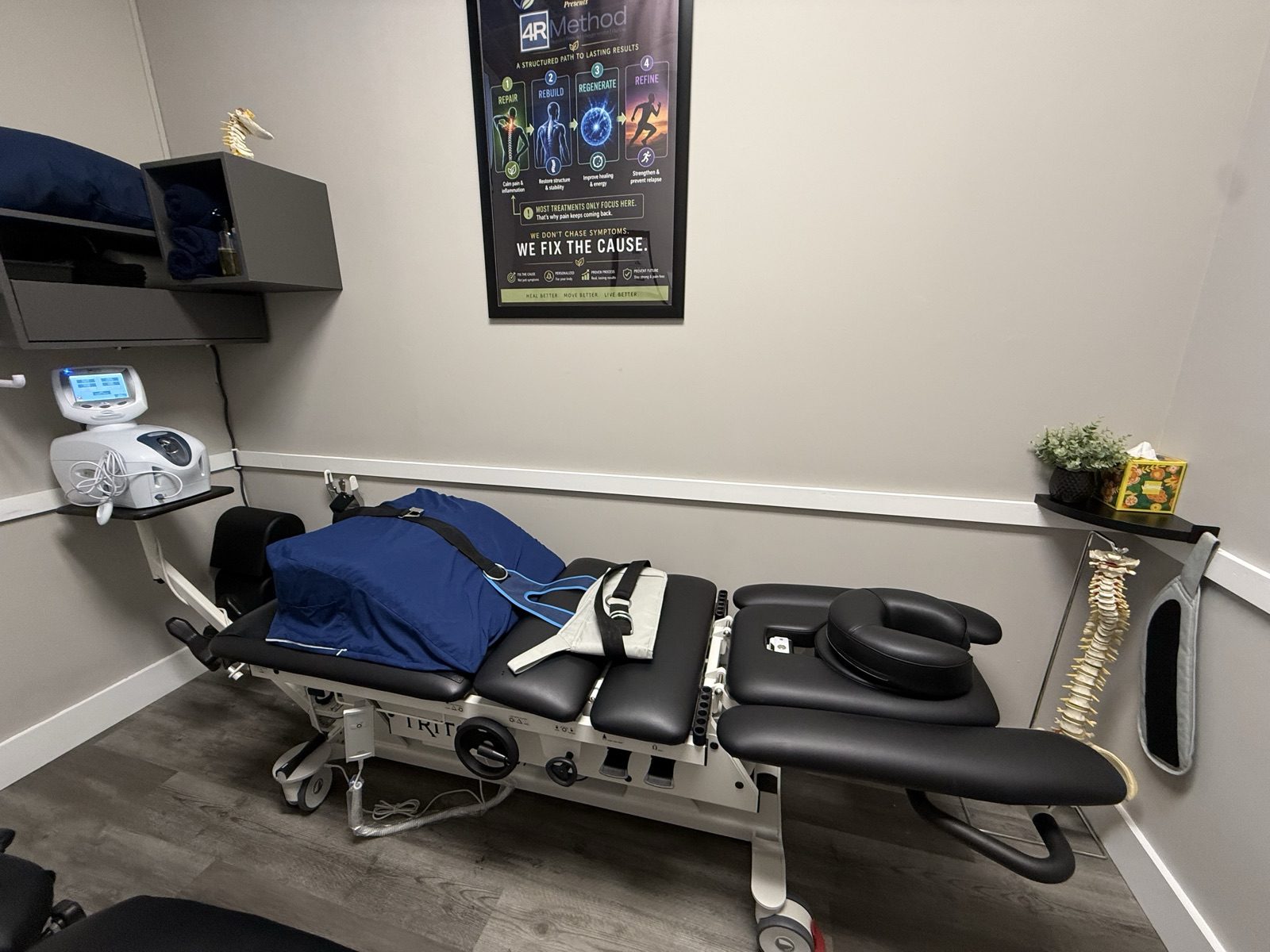
- Repair (3–5 visits a week, 4–8 weeks): during a flare, non-surgical spinal decompression on the Triton DTS table gently separates the vertebrae, lowering pressure in the thinned disc and drawing fluid back into it — about 20 minutes per session. Precise adjustments free the overloaded facet joints, and cold laser calms the inflammation.
- Rebuild (2–3 visits a week, 8–16 weeks): physical therapy for the deep core and hips so the muscles share the load the disc can no longer fully carry. This is the phase that changes how often you flare.
- Regenerate: red light and PEMF support tissue health in a structure with a poor blood supply.
- Refine: brief monthly tune-ups — the maintenance that keeps a worn disc quiet for years.
Visit one is measurement: history, a hands-on structural exam, surface EMG and thermal scanning, and digital X-rays when indicated, which show disc height and alignment clearly. Visit two is your full report of findings and plan, and Most patients have already begun care on visit one; this is where the full plan takes over. Our broader back pain treatment page lays out each therapy.
5 proven ways to stay active with worn discs
Movement is medicine for a disc that feeds by motion. These five habits do more for a worn disc than any single treatment:
- Walk every day. Twenty to thirty minutes of brisk walking pumps fluid through the discs and keeps the facet joints mobile. Break up sitting every 30 to 45 minutes.
- Strengthen the core and hips. Dead bugs, bird dogs, glute bridges and side planks — the muscles that take load off the disc. Start with the gentle routine in 8 stretches for lower back pain once a flare settles.
- Lift and bend with a neutral spine. Hinge at the hips, keep loads close, and pace yourself through yard work and moving boxes.
- Hydrate and eat to calm inflammation. Discs are mostly water; nutrition, inflammation and back pain covers the food side.
- Keep a healthy weight and sleep on a supportive surface. Both reduce the load the thinned disc carries for hours at a time.
Stop any exercise if pain radiates into a limb or steadily worsens, and see a doctor or urgent care today for red-flag symptoms. If you are not sure whether your pain is disc-driven or coming from the joints around it, a spine assessment will tell you — and tell you which of the five habits matters most for you.
Serving degenerative disc patients across North Broward
Our clinic at 5675 Coral Ridge Drive, Coral Springs, FL 33076 serves Coral Springs, Parkland, Coconut Creek, Margate, Boca Raton, Tamarac, Pompano Beach and Deerfield Beach. Same-day appointments are usually available — call (954) 341-2256 or book online. Most patients from Parkland and Coral Springs are here in under 15 minutes.
Medically reviewed by Dr. Jared Cohen, DC — Co-Founder & Clinical Director, The Spine and Wellness Center. Last reviewed October 2026.
Frequently asked questions
Can degenerative disc disease be treated without surgery?
Yes — for most people it should be. Decompression lowers pressure in the thinned disc during flares, adjustments free the overloaded facet joints, and core strengthening makes flare-ups rarer. Surgery is considered only for progressive nerve problems that do not respond to a well-run conservative plan.
What triggers a degenerative disc disease flare-up?
Prolonged sitting, an awkward twist, a heavy or rounded-back lift, and doing too much too soon after feeling better are the usual triggers. Flares typically last days to a few weeks and are temporary. A consistent movement routine and periodic tune-ups shorten them and reduce how often they happen.
Is exercise good for degenerative disc disease?
Yes. Discs have almost no blood supply and feed through movement, so regular walking and core strengthening nourish them and keep the joints mobile. Build up gradually, hinge at the hips when you bend, and stop any exercise that sends pain into a limb.
Does degenerative disc disease get worse over time?
The disc changes themselves progress slowly with age, but symptoms do not have to. Many people with significant disc wear on imaging have little or no pain because the muscles and joints around the disc are doing their share. That is exactly what the Rebuild phase of care is designed to achieve.


Same-day appointments
Reading about it is step one.
Step two is a measurement. Visit one we measure — and usually begin care; visit two you get your full findings and plan.
- Same-day appointments are usually available
- Our team calls you back to confirm your visit
- Coral Springs, serving Parkland & North Broward since 2005
Prefer to talk now? Call or text (954) 341-2256